moving to Australia Archives | Ausmove

Migration between New Zealand and Australia has always been fluid, but the scale and consistency of Kiwi movement across the Tasman in recent years has been particularly striking. As we head into 2026, official data and long-term trends point to a continued outflow of New Zealand citizens relocating to Australia, not just temporarily, but with long-term settlement in mind.

While Australia remains the top destination overall, where Kiwis are choosing to settle within Australia is becoming increasingly strategic. Employment opportunities, housing affordability, lifestyle preferences, and access to established Kiwi communities are all shaping these decisions.

This article looks at the four Australian cities attracting the largest share of New Zealand migrants, Sydney, Brisbane, Melbourne and Perth, and explores what is driving these choices using official data and migration insights relevant for 2026.

Why Australia Continues to Attract New Zealanders

According to recent migration reporting, Australia continues to receive the majority of New Zealand citizens leaving the country. In 2024, New Zealand recorded a net loss of around 30,000 New Zealand citizens to Australia, the highest level in more than a decade. Provisional figures through late 2025 suggest this trend remains firmly in place heading into 2026.

Key drivers behind this sustained movement include:

  • Higher average wages and stronger employment demand in many Australian industries
  • Simplified migration rights under the Trans-Tasman Travel Arrangement
  • Established Kiwi communities across major Australian cities
  • Lifestyle considerations, including climate, housing options, and work-life balance

For many movers, the decision is not just whether to move, but how to do it efficiently, particularly when relocating households, vehicles, or pets across international borders.

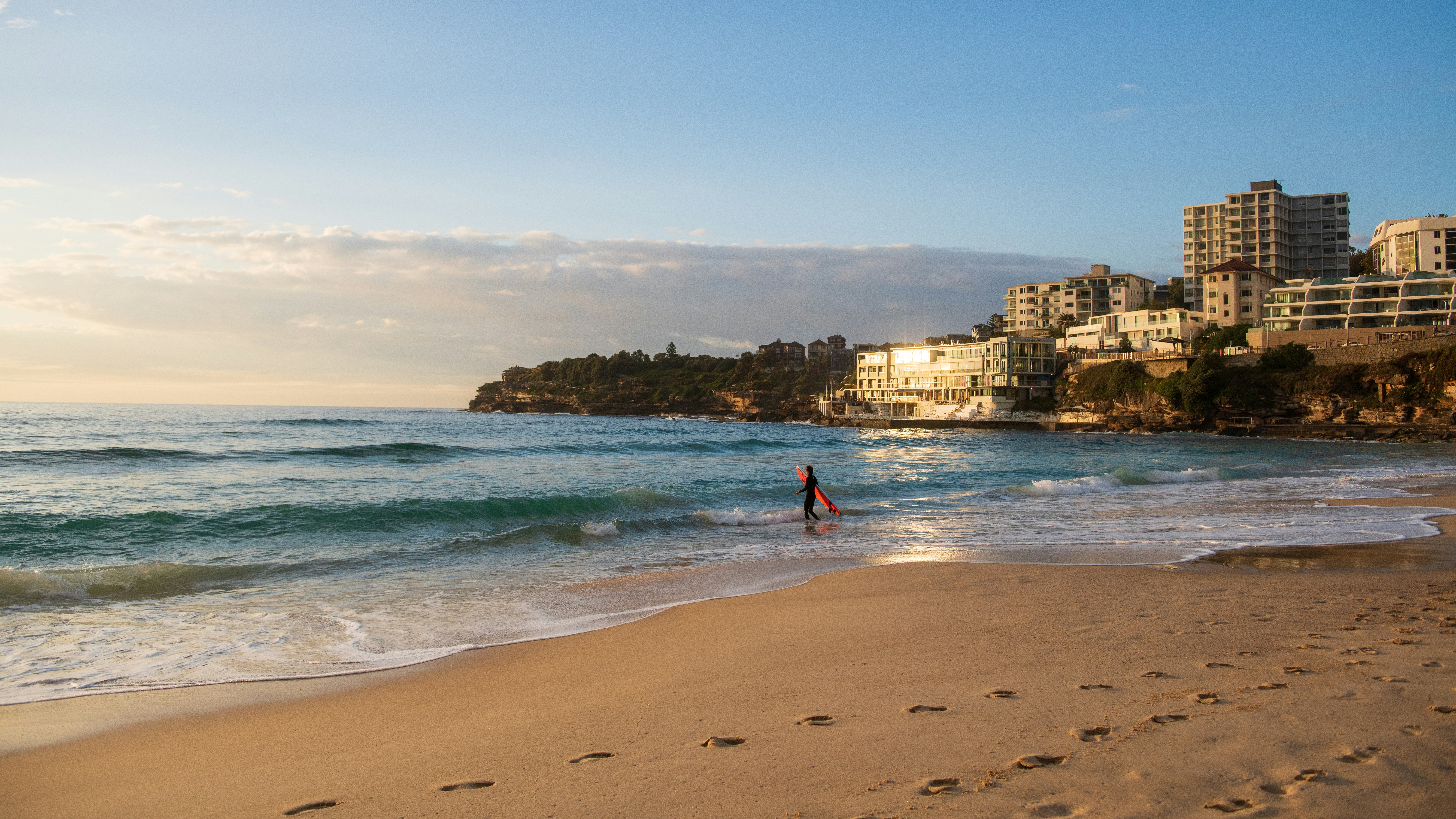
Brisbane: Lifestyle Growth and Practical Affordability

Brisbane and the wider South-East Queensland region have emerged as one of the strongest settlement areas for Kiwi migrants in recent years. Population growth in this region reflects a combination of employment expansion, relatively accessible housing markets, and strong lifestyle appeal.

Why Kiwis Choose Brisbane:

  • Job opportunities in healthcare, construction, education, and trades
  • A warmer climate and outdoor lifestyle, particularly attractive to families
  • Housing markets that are generally more accessible than Sydney and Melbourne, despite recent price growth

For Kiwis relocating to Brisbane, sea freight shipping to Australia is a popular choice combined with secure storage options, this allows customers to manage timing differences between property settlements and rental availability, a common challenge in fast-moving Queensland markets.

Sydney: Career Opportunities with Higher Entry Costs

Sydney remains Australia’s largest employment hub and continues to attract career-focused Kiwi professionals. Its global business presence, particularly in finance and technology, along with its concentration of leading universities, research institutions, and education-related employment, keeps Sydney high on the list for skilled Kiwi professionals and families.

What Draws Kiwis to Sydney

  • A broad professional labour market and higher earning potential
  • Strong international connectivity
  • A large and established Kiwi population, easing the transition

However, Sydney’s housing costs and competitive rental market often require careful planning. Many New Zealanders choose quality packing and partial shipping solutions, sending essential or high-value items by air freight, while arranging sea freight for the remainder. Others use temporary storage until permanent accommodation is secured, a practical approach in tight rental conditions.

Melbourne: Balance, Culture, and Community

Melbourne consistently ranks as one of the most liveable cities in Australia and remains a popular destination for New Zealanders seeking balance between career opportunities and lifestyle.

Melbourne’s Appeal for Kiwi Migrants

  • Strong employment sectors, including healthcare, education, and technology
  • Cultural depth, from arts and sport to food and festivals
  • Well-established Kiwi communities across metropolitan suburbs

Melbourne is often chosen by families undertaking full household relocations. As a result, movers frequently look for structured moving processes that include professional packing, movers insurance to Australia, and clear timelines. Insurance in particular provides peace of mind when transporting household goods across international borders, something many first-time movers underestimate.

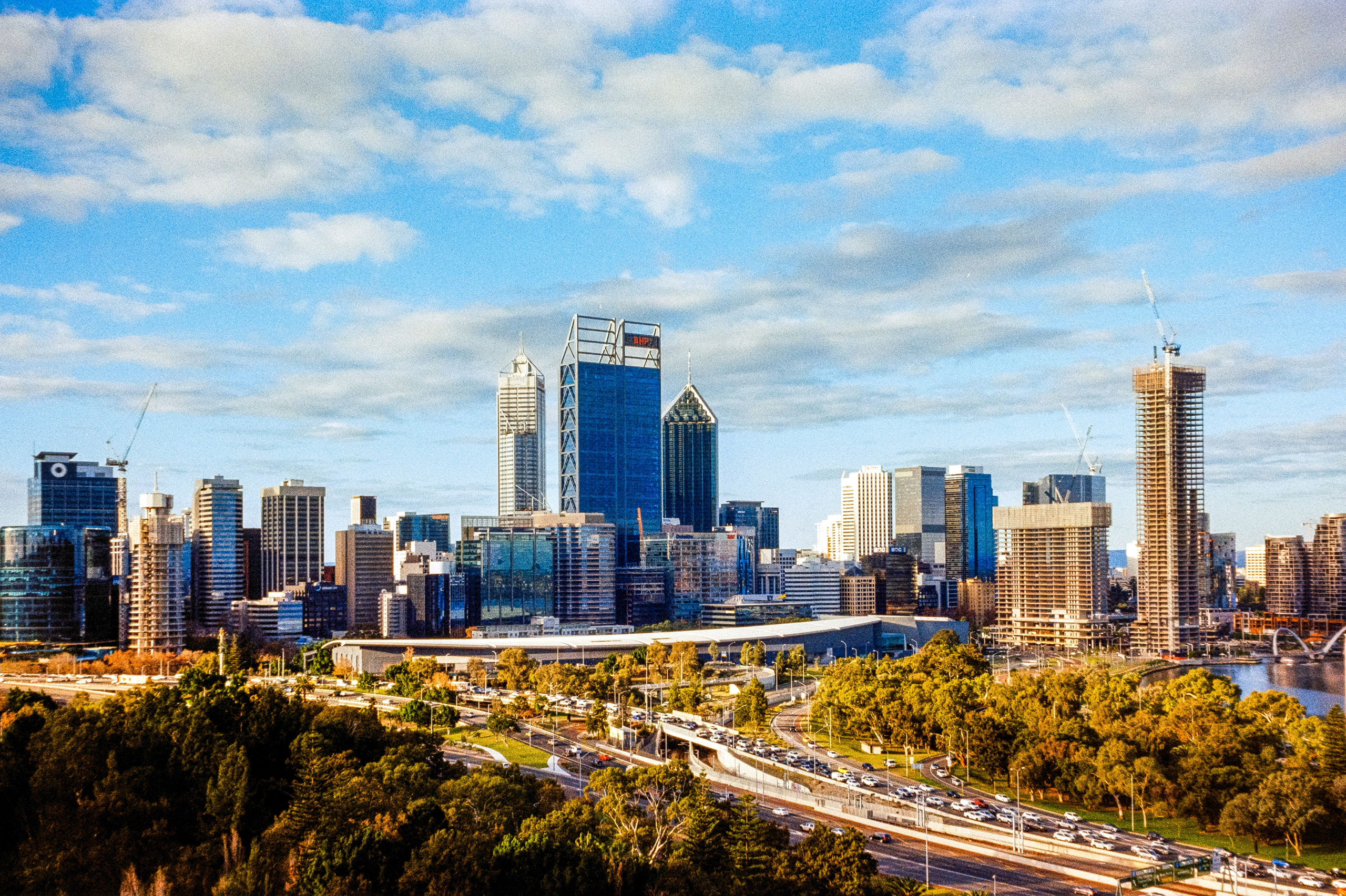
Perth: Space, Opportunity, and a Different Pace

Perth offers a compelling alternative for Kiwis seeking affordability, space, and industry-specific employment opportunities, particularly in mining, engineering, and construction.

Why Perth Attracts New Zealanders

    • Lower housing costs compared with eastern capitals
    • Strong demand for skilled trades
    • A coastal lifestyle with less congestion

Because of the distance involved, relocations to Perth require more detailed logistics planning. Container shipping, vehicle shipping to Australia, and well-timed sea freight solutions are particularly relevant. Many Kiwis moving west also transport vehicles, making professional vehicle shipping services essential to ensure compliance with Australian biosecurity and import regulations.

Key Factors Influencing City Choice in 2026

New Zealanders have access to Medicare, Australia’s public health system.

Employment and Income
Australia’s labour market continues to outperform New Zealand’s in several sectors, particularly for skilled and trade-based roles. This remains a major motivator for working-age migrants.

Housing and Cost of Living
Sydney and Melbourne offer strong economic opportunities but come with higher entry costs. Brisbane and Perth often provide a more accessible starting point, particularly for families or first-time migrants.

Lifestyle and Climate
Climate preferences, commuting times, and access to outdoor activities increasingly shape migration decisions, especially for families planning long-term relocation.

Logistics and Moving Complexity
The more complex the move, whether shipping furniture, vehicles, or pets, the more likely migrants are to seek end-to-end relocation support. Video surveys and free in-home consultations help movers understand costs and timelines before committing.

Moving Pets and Vehicles: Often Overlooked, Always Important

For many Kiwi families, relocation decisions are influenced by the ability to move pets and vehicles safely and legally. Australia’s strict biosecurity framework makes professional handling essential.

  • Moving pets to Australia requires advance planning, quarantine coordination, and strict documentation
  • Vehicle shipping to Australia involves compliance checks, cleaning, and import approvals

These factors often influence not just when people move, but also where they choose to settle, with some cities offering smoother transition between housing availability and logistics timelines.

What the Trends Suggest for 2026

All indicators suggest that Kiwi migration to Australia will remain strong through 2026, with Brisbane, Sydney, Melbourne, and Perth continuing as the primary settlement hubs. While individual motivations vary, the common theme is a search for opportunity, stability, and quality of life.

As migration becomes more intentional and better planned, New Zealanders are increasingly looking for structured moving processes, transparent pricing, and flexible shipping options, rather than treating relocation as a last-minute decision.

Where Kiwis choose to live in Australia in 2026 reflects a balance between economic reality and lifestyle aspiration. Each city offers distinct advantages, and understanding these differences helps migrants make informed decisions, not only about the Australian destination, but also about how to move effectively.

For those planning a move, early preparation, realistic planning, and professional guidance can significantly reduce stress and cost, allowing the focus to remain on settling into life across the Tasman with confidence.

Moving to Australia has always been one of the most popular pathways for New Zealanders, and in 2026, it’s easier and more rewarding than ever. From improved residency pathways to booming job markets and cheaper cities compared to Auckland, thousands of Kiwis are planning the move.

This guide covers everything you need to know before relocating where to live, how much it costs, school systems, visas, healthcare, jobs, and what’s changing in 2026.

Visas & Residency: What’s New for 2026

The relationship between NZ and Australia continues to strengthen, making it easier for Kiwis to live and work across the Tasman.

Key points for 2026:

  • No visa needed to move or work: As a New Zealand citizen, you receive an SCV (Special Category Visa – Subclass 444) on arrival.
  • Faster pathway to Permanent Residency: Recent changes allow Kiwis who have been living and working in Australia for a few years to transition more easily to PR and eventually citizenship.
  • Children born in Australia: Kids born to Kiwi parents in Australia may automatically qualify for citizenship depending on length of residence.

Did you know? Ausmove Tip:
While arriving is easy, having the right documents (passport, job contract, rental references, bank statements) will make settling in smoother.

Cost of Living: How Australia Compares in 2026

While cost of living varies city to city, many Kiwis still find Australia more affordable than NZ in areas like housing, groceries, and transport.

General 2026 trends::

  • Rent is still cheaper in Adelaide, Perth, Brisbane, and Hobart compared to Auckland.
  • Higher average incomes, especially in healthcare, trades, engineering, and mining.
  • Groceries and petrol tend to be cheaper across most states.
  • Childcare is expensive but offset by government subsidies for residents.

Did you know?Ausmove Tip:
If affordability is your priority, consider Adelaide, Perth, the Sunshine Coast, or regional QLD/NSW.

Best Places for Kiwis to Live in 2026

Here’s where most relocating New Zealanders are choosing to settle:

Brisbane & Gold Coast (QLD)
Warm weather, booming job market, coastal lifestyle, family-friendly.

Sunshine Coast (QLD)
Great for families and outdoor lovers. Safe, relaxed, and growing fast.

Perth (WA)
Strong salaries, especially for trades/mining. Affordable housing.

Melbourne (VIC)
Culture, coffee, sport, excellent schools, and a huge Kiwi community.

Sydney (NSW)
High-paying jobs and iconic lifestyle, but more expensive.

Adelaide (SA)
Safe, affordable, excellent schooling, and consistently underrated.

Did you know?Ausmove Tip:
Choosing the right place depends on your job, family needs, climate preferences, and budget.

What to Bring and What to Leave Behind

Shipping your belongings is often cheaper than rebuying everything in Australia, especially furniture, outdoor gear, and sentimental items.

Worth bringing:

  • Beds, couches, tables, appliances
  • Tools & equipment
  • Sports gear
  • TVs + electronics (voltage is the same)
  • Personal items & heirlooms

Better to buy in Australia:

  • Whiteware if outdated
  • Large potted plants (won’t pass biosecurity)
  • Cheap flat-pack furniture (often cheaper in AU)

Did you know?Ausmove Tip:
Many Kiwis choose a 20ft container for a full household move.

Ausmove Container

Job Market in 2026: Where Kiwis Are In Demand

Australia’s economy in 2026 shows strong growth across:

High-demand industries:

  • Construction & trades
  • Healthcare & aged care
  • Engineering
  • Education
  • Hospitality & tourism
  • IT & cybersecurity
  • Mining & energy (WA, QLD, NT)

Why Kiwis do well:
Hiring managers value NZ work ethic, communication, and cultural fit.

Did you know?Ausmove Tip:
Most employers hire quickly you don’t need a job before moving, but it helps with rental applications.

Healthcare for Kiwis in Australia

New Zealanders have access to Medicare, Australia’s public health system.

You’ll need:

  • Passport
  • Proof of NZ citizenship
  • Address in Australia
  • Medicare enrolment form

Most GP visits cost $30–$80.

Renting & Housing in 2026

The rental market is competitive in major cities, but much easier in suburban and regional areas.

To secure a rental quickly, bring:

  • NZ rental references
  • Employment details
  • Proof of income/funds
  • Photo ID
  • A short “rental cover letter”

Did you know?Ausmove Tip:
Rent is typically paid weekly, and the bond is usually 4 weeks rent.

Schools & Education

Australia’s school system is similar to New Zealand’s easy for Kiwi kids to adjust.

Types of schools:

  • Public (free or low cost)
  • Catholic schools
  • Independent/private schools

Did you know?Ausmove Tip:
Your suburb determines which public school you can attend, so choose housing accordingly.

Driving, Cars & Transport

NZ licences are valid in Australia. You can convert to an Australian licence easily.

Car buying is easier because:

  • More supply
  • Often cheaper than NZ
  • Lower depreciation

Public transport varies Melbourne & Sydney excellent, Perth & Brisbane improving, regional areas lower coverage.

Culture & Everyday Life

Australia is familiar to Kiwis but comes with differences:

  • Hotter summers
  • More diverse cities
  • Larger distances between regions
  • Sports culture dominates
  • Work-life balance varies by state
  • Aussie humour is similar but more direct

Most Kiwis say the move feels like “a bigger, warmer NZ with more opportunities.”

Why 2026 Is a Great Time to Move

With improved residency pathways, strong job markets, and cities that offer great weather and affordability, 2026 remains one of the best years for Kiwis to make the move.

Whether you’re seeking better career prospects, family opportunities, or a lifestyle upgrade, Australia has a place that feels like home with sunshine to spare.

Ausmove makes relocating simple and stress-free. From organising shipping and navigating customs to managing timelines and delivery, they understand every step of the journey ensuring your belongings arrive safely and your move starts smoothly.

Ready to find out your exact cost? Request a FREE quote from Ausmove or call (09) 360-4777 today.

Planning your move from New Zealand to Australia?

Ausmove can help you handle every part of your move, from packing and insurance to shipping, storage, and pet relocation, while making your relocation smooth and stress-free.

Get a Free Quote from New Zealand to Australia

If you’re planning a trans-Tasman move, one of the first things you might be thinking is: “How much will it cost me to move from New Zealand to Australia?” The truth is, there’s no one-size-fits-all answer. Costs depend on how much you’re moving, where in Australia you’re headed, and what type of shipping service you choose.

Ausmove breakdown the key factors, typical price ranges, and some smart ways to keep your relocation budget under control.

What Affects the Cost of Moving from NZ to Australia?

Several variables determine your final price. Understanding these factors will help you plan ahead and avoid unexpected expenses, here’s a summary:

Volume of belongings
More items means more container space. A couple of boxes is very different from a full 3-bedroom house plus a car. On a pro rata basis the more you ship the cheaper it is by volume rate.

Type of service
Groupage/shared containers are cost-effective, while sole-use containers offer speed and privacy. Air freight is faster but significantly more expensive. Ideal for priority items your household needs whilst the sea freight is enroute.

Destination city
Brisbane, Sydney or Melbourne will be cheaper than shipping to Perth, Northern Queensland, or Tasmania because of distance and logistics.

Customs & quarantine
Australia’s biosecurity rules mean inspections are mandatory, which can add fees if items need treatment. We include these in our quotations for peace of mind or a no surprises approach.

Packing Services
Packing, storage, unpacking, or insurance all increase the total bill, but its best to have a professional company, like Ausmove do the packing to avoid more invasive customs and quarantine inspections.

Vehicles
Shipping a car or motorbike adds cost, though often it can be combined in the same container as household goods. Hybrid cars can be shipped too but via Roll-on Roll-off (RoRo) service.

Typical Moving Cost Examples

While every move is unique, here’s what you might expect to pay for different move sizes:

Move Size Estimated Cost (NZD) Notes
Small shipment (boxes, personal effects) $1,500-$4,000 Usually sent via groupage/shared container. Best for students, singles, or small volume loads.
2–3 bedroom household $6,000-$15,000 May require a 20ft container. Costs vary depending on packing, insurance, and destination.
Full house + vehicle $15,000+ Likely to need a 40ft sole-use container.

These figures are estimates only. The best way to know your exact cost is to request a personalised quote based on your inventory and destination.

FAQs: Moving from NZ to Australia

How much does it cost to move a household from New Zealand to Australia?
A typical 2–3 bedroom home usually costs between $6,000 – $15,000 NZD, depending on container size, destination, and extra services like packing and insurance.

What’s the cheapest way to move to Australia from NZ?
The most cost-effective method is groupage shipping, where your belongings share space in a container with other shipments. You only pay for the volume you use, but it may take a little longer to arrive, so plan well in advance.

How long does shipping take from New Zealand to Australia?
Most sea freight shipments typically take 6-8 weeks door-to-door, depending on the service chosen, customs clearance, and final delivery location. Using a sole use container can reduce this down to four weeks.

Can I ship my car to Australia along with household goods?
Yes. Many movers, including Ausmove, can ship your vehicle and personal effects in the same container, which can save both time and money. Hybrid vehicles are shipped via Roll-on Roll-off (RoRo) service.

Got more questions? Read our guide: How To Move To Australia From New Zealand – Frequently Asked Questions.

How to Save Money on Your Move

Moving doesn’t have to break the bank. With the right planning and choices, you can significantly reduce your relocation costs while still enjoying a smooth, stress-free experience. Here are some of the most effective ways to keep your budget under control.

Declutter first
Sell or donate items you don’t need. Shipping less saves you money.

Choose groupage shipping
If you’re not moving an entire house, this option is far cheaper.

Be flexible with dates
Avoid peak moving seasons if you can.

Transferring funds
We refer you to the experts at Xe who guarantee better bank rates. The savings are real and have covered the cost of moving in some circumstances.

Compare services
Not all quotes include the same extras, so check carefully.

Bundle goods and vehicles
Shipping them together is often more cost-effective.

Get a Personalised Quote

To receive an accurate cost, you’ll need to provide details like:

  • Your full inventory (furniture, boxes, special items)
  • Pickup and delivery addresses
  • Preferred dates
  • Whether you’re including a car or boat

Ausmove’s team then tailors a quote to match your needs, giving you clear options for groupage or full container services.

Moving you to Australia from New Zealand

Planning a move across the Tasman takes preparation, but you don’t have to do it alone. With decades of experience, Ausmove specialises exclusively in helping Kiwis relocate to Australia. From costs and shipping options to customs and timelines, they understand every step of the process and make your move easier.

Ready to find out your exact cost? Request a FREE quote from Ausmove or call (09) 360-4777 today.

Worried about the cost of moving from New Zealand to Australia?

Ausmove helps you plan your move efficiently, save money, and get a clear understanding of what your relocation will really cost.

Get a Free Quote from New Zealand to Australia

Moving across the Tasman is exciting, but shipping household goods from New Zealand to Australia can feel overwhelming without the right guidance. From furniture and personal belongings to fragile or oversized items, understanding the process helps make your relocation smoother and less stressful. With the right planning, you can save time, avoid hidden costs, and ensure your possessions arrive safely at your new home. 

In this guide, we’ll cover everything you need to know, from shipping options and customs requirements to packing tips and timelines so you can move with confidence knowing your household goods are in trusted hands.

Shipping Options Explained

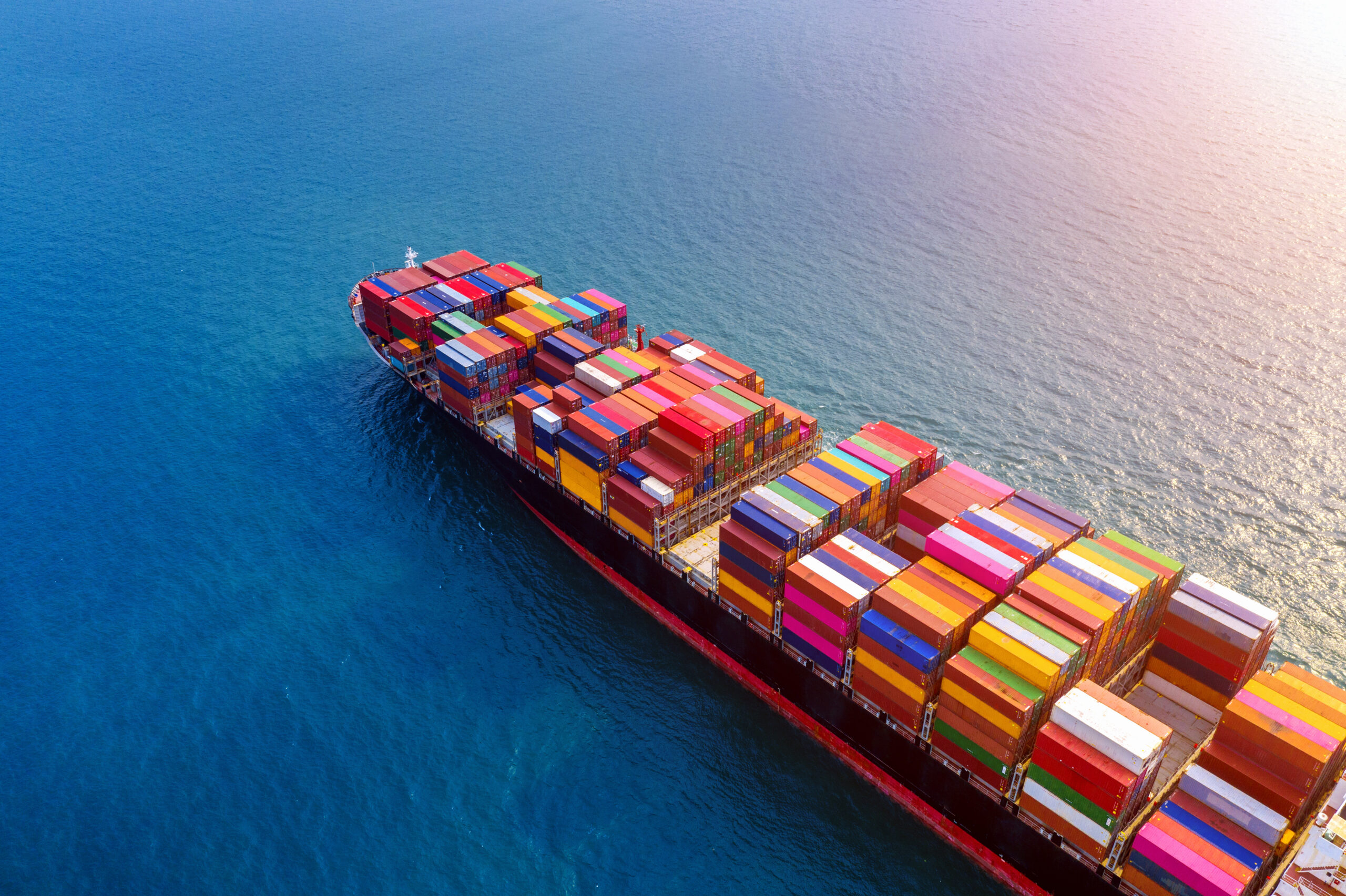
When moving household goods from New Zealand to Australia, you’ll generally choose between sea freight and air freight. Each option has its own advantages depending on your budget, timeline, and the amount you need to move.

Sea Freight:

This is the most common and cost-effective option for moving larger volumes such as furniture, whiteware, and boxes.

You can choose:

Shared Containers:
Your belongings travel in a container with shipments from other families. This keeps costs down if you don’t need a full container.

Sole Use Containers:
Ideal if you’re moving an entire household. Your goods travel in their own container, giving you faster delivery and more control.

Air Freight:

Best suited for smaller shipments or items you need quickly, such as personal effects, clothing, or essential household goods. While more expensive than sea freight, it offers the fastest turnaround.

Customs & Quarantine Requirements

Australia enforces some of the world’s strictest biosecurity and customs regulations, which means everything you ship from New Zealand must comply with Australian Border Force (ABF) and Department of Agriculture, Fisheries and Forestry (DAFF) requirements.

Items that may carry soil, seeds, or pests such as garden tools, outdoor furniture, bicycles, or shoes will be carefully inspected. Food, alcohol, plant materials, and animal products are also heavily restricted and may be seized or require additional clearance.

Every shipment needs a precise inventory list, and some items may need cleaning or treatment before they are accepted. This is where Ausmove makes the process easier. Their team advises you on what can and can’t be shipped, prepares the paperwork, and arranges inspections when needed. With Ausmove managing customs and quarantine requirements on your behalf, you avoid unnecessary delays and costs, and your belongings arrive in Australia without stress.

Shipping Timeline, How Long Does It Take?

When relocating household goods from New Zealand to Australia, the overall timeline depends on the shipping method you choose, the volume of goods, and your final destination. The two main options are sea freight and air freight, each offering different timeframes.

Sea Freight
Sea freight is the most popular choice for families and individuals moving larger volumes such as furniture, appliances, and personal belongings. On average, you can expect a door-to-door timeframe of 3–6 weeks. This includes packing, shipping across the Tasman, and clearance through Australian customs and quarantine. A sole-use container generally moves faster since it doesn’t rely on other shipments, whereas shared or groupage containers may take longer because they wait for consolidation. Seasonal demand, port congestion, and inspections can also add to the timeframe.

Air Freight
Air freight is significantly faster, typically arriving in 7–14 days from New Zealand to most Australian cities. This option is ideal for smaller shipments or essential items you want on hand immediately, such as clothing, documents, or personal effects. While more expensive than sea freight, air freight provides the quickest turnaround, giving peace of mind when time is a priority.

Choosing What’s Best
If cost is your priority and you’re moving an entire household, sea freight is the practical option. If speed matters most, or you need essentials right away, air freight is worth considering and many people choose a mix of both.

Costs of Shipping Household Goods

The cost of shipping your belongings from New Zealand to Australia varies depending on the volume of goods, the shipping method, and your final destination. Sea freight is generally the most affordable choice for full households, with shared containers reducing costs if you don’t need the entire space. A sole-use container is more expensive but offers faster delivery. Air freight, while much quicker, comes at a higher price per cubic metre and is usually best for smaller shipments or essential items.

Other factors that influence cost include customs duties, quarantine inspections, insurance, and optional packing services. Requesting a detailed quote upfront ensures you understand exactly what’s included and avoids unexpected fees once your goods arrive in Australia.

Common Questions About Shipping to Australia

Do I need insurance?
Yes. While professional movers take every precaution, insurance is highly recommended to protect against unforeseen events such as damage, loss, or delays during transit.

Can I ship vehicles or pets?
Household goods shipments don’t usually include vehicles or pets. Cars can be shipped under separate arrangements and must meet Australian import regulations. Pets require specialised relocation services and strict biosecurity clearance.

What items are restricted or prohibited?
Food, alcohol, plants, and animal products face strict controls. Outdoor items like garden tools, furniture, or bicycles must be thoroughly cleaned to pass quarantine. Hazardous materials and some electronics may also be restricted.

What happens if my goods are delayed?
Delays are uncommon but can occur due to customs inspections, port congestion, or seasonal demand. Accurate paperwork and proper preparation help minimise these risks.

Can I split my shipment?
Yes. Many people send essential items by air freight for quick access, while larger household goods travel by sea. This combination balances cost and convenience.

Moving You to Australia from New Zealand

Planning a move across the Tasman takes preparation, but you don’t have to do it alone. With decades of experience, Ausmove specialises exclusively in helping Kiwis relocate to Australia. From shipping options and customs requirements to timelines and costs, they understand every step of the process and make it easier for you.

For detailed information on Ausmove’s services and expertise click here or call (09) 360-4777.

Moving to Australia from NZ Checklist

Want to make your move even smoother? Download our FREE Moving to Australia from NZ Checklist. It covers everything from packing and paperwork to customs requirements, so you don’t miss a step. Click here to get your copy and start planning with confidence.

Moving household goods from NZ to Australia?

Ausmove makes it simple, safe, and stress-free. From packing and shipping to customs clearance, we handle every step.

Get a Free Quote from New Zealand to Australia