Uncategorized Archives | Ausmove

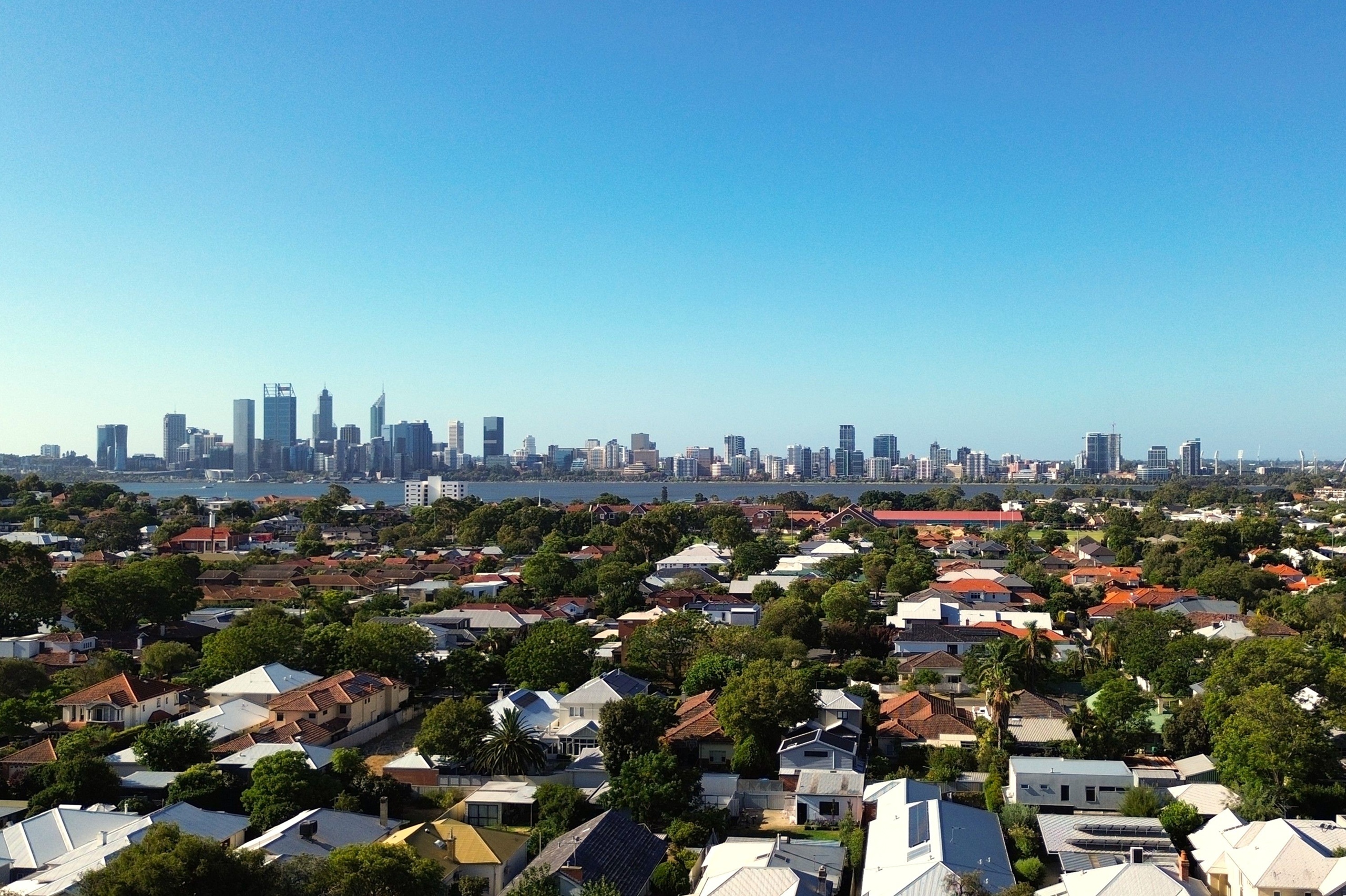
Perth continues to be one of the most popular Australian destinations for New Zealand families, and it’s easy to see why. With beautiful beaches, a relaxed lifestyle, excellent schools and a strong job market, it offers many of the things Kiwi families are looking for when making the move across the Tasman.

But Perth is a large city, and choosing the right suburb can make all the difference to your family’s lifestyle.

Whether you’re looking for top-rated schools, easy access to the beach, affordable housing or a shorter commute, this guide explores some of the best suburbs in Perth for Kiwi families.

Why Perth Is So Popular with Kiwi Families

Perth offers a lifestyle that many New Zealanders find familiar while providing new career opportunities and generally warmer weather.

Families often choose Perth because of:

  • A relaxed outdoor lifestyle
  • Plenty of parks and playgrounds
  • High-quality public and private schools
  • Beautiful beaches
  • Family-friendly neighbourhoods
  • Strong employment opportunities
  • Modern infrastructure and healthcare

Unlike Sydney or Melbourne, Perth also offers more space for your money, making it attractive for growing families.

What Makes a Great Family Suburb?

Every family has different priorities, but most Kiwi families look for suburbs that offer:

  • Safe, welcoming communities
  • Good local schools
  • Access to parks and recreational facilities
  • Shops and healthcare nearby
  • Public transport options
  • Reasonable commuting times
  • Homes with outdoor space

Top Perth Suburbs for Families

Joondalup

If you’re looking for convenience, Joondalup is often one of the first suburbs recommended to families relocating from New Zealand.

Located around 25 kilometres north of Perth’s CBD, Joondalup combines modern amenities with a relaxed suburban lifestyle.

Why families love Joondalup
Excellent public and private schools
Large shopping centres
Easy train access to Perth CBD
Parks and sporting facilities
Close to beaches

It’s an ideal choice for families wanting everything within easy reach.

Canning Vale

Canning Vale has become one of Perth’s fastest-growing family suburbs.

Known for its spacious homes, modern developments and strong sense of community, it’s particularly popular with young families.

Highlights

  • Family-sized homes
  • Great schools
  • Plenty of parks
  • Shopping and dining nearby
  • Easy freeway access

Baldivis

For families looking for affordability without sacrificing lifestyle, Baldivis is well worth considering.

Although it’s further south of Perth, it offers excellent value and continues to attract new developments.

Why choose Baldivis?

  • Larger homes for your budget
  • New schools
  • Growing community
  • Family parks and playgrounds
  • Modern shopping centres

Hillarys

If living close to the coast is high on your priority list, Hillarys is one of Perth’s standout suburbs.

Home to Hillarys Boat Harbour, it’s a favourite for families who love the beach and outdoor activities.

What makes Hillarys popular?

  • Beautiful coastline
  • Highly regarded schools
  • Safe neighbourhoods
  • Cafés and restaurants
  • Weekend family activities

Applecross

Applecross offers a more premium lifestyle while remaining extremely family-friendly.

Situated along the Swan River, it’s known for its beautiful streets, quality homes and excellent schools.

Best suited for families wanting:

  • Riverside living
  • Premium housing
  • Short commute to Perth CBD
  • Highly regarded schools
  • Established neighbourhoods

Which Suburb Is Right for Your Family?

If You Want… Consider…
Great value Baldivis
Coastal lifestyle Hillarys
Excellent schools Joondalup
Premium living Applecross
Modern family community Canning Vale


The right suburb ultimately depends on your budget, workplace location and lifestyle priorities.

What About Schools?

One of the biggest reasons Kiwi families choose Perth is the quality of education available.

Many suburbs offer access to excellent public schools, while Perth also has a wide selection of respected private and independent schools.

When choosing a suburb, it’s worth researching school catchment zones before purchasing or renting a home.

Cost of Living

Housing costs vary considerably across Perth, but many New Zealand families find they can secure larger homes than they could in Auckland or Wellington for a comparable price.

Remember to consider:

  • Mortgage or rental costs
  • School expenses
  • Transport
  • Utilities
  • Childcare
  • Local council rates

Balancing affordability with commute times often provides the best long-term outcome.

Making the Move from New Zealand

Once you’ve decided where you’d like to live, the next step is organising your relocation.

Planning ahead can make your move significantly less stressful, particularly when shipping household belongings internationally.

Working with an experienced international moving company helps ensure your furniture and personal items arrive safely and on schedule, allowing you to settle into your new Perth home with confidence.

Frequently Asked Questions

Where do most Kiwi families live in Perth?
Many New Zealand families choose suburbs such as Joondalup, Canning Vale, Baldivis and Hillarys due to their family-friendly communities, schools and lifestyle.

What is the best suburb in Perth for families?
There isn’t a single “best” suburb, as it depends on your budget and lifestyle. Joondalup, Hillarys and Canning Vale consistently rank among the most popular choices for families.

Is Perth a good place to raise children?
Yes. Perth is widely recognised for its outdoor lifestyle, excellent schools, spacious suburbs and family-friendly amenities.

Is Perth cheaper than Auckland?
While costs vary depending on location, many Kiwi families find Perth offers better value housing and larger properties than Auckland.

How long does it take to move from New Zealand to Perth?
Transit times depend on your shipment size and shipping method, but most household moves are completed within several weeks once customs clearance has been completed.

Moving to Australia? Talk to us

At Ausmove, we’ve helped thousands of Kiwi families relocate to Australia with professional packing, secure international shipping and door-to-door moving services. Whether you’re moving a small apartment or a large family home, our experienced team can help make your move to Perth as smooth and stress-free as possible.

Get in touch with Ausmove today for a free, no-obligation moving quote and take the first step towards your new life in Perth.

Moving from New Zealand to Australia comes with plenty of big decisions, but one question almost every Kiwi asks before relocating is simple:

Should I sell my furniture before moving, or is it better to ship it to Australia?

At first glance, selling everything and starting fresh can seem like the cheaper and easier option. But in many cases, replacing your furniture in Australia can end up costing significantly more than people expect.

The reality is there is no one-size-fits-all answer. The right decision depends on what you own, what your move looks like, and whether replacing everything overseas actually makes financial sense.

If you are planning a move, here is what to consider before making the call.

The Real Cost of Replacing Furniture in Australia

One of the biggest mistakes people make when moving to Australia is underestimating how expensive it can be to replace household furniture.

While selling furniture in New Zealand can help free up cash before your move, most second-hand furniture sells well below its original value. Once you arrive in Australia, replacing those same items often costs far more than expected.

For example, replacing the basics for a standard home can add up quickly:

  • Bed and mattress

  • Dining table and chairs

  • Sofa or lounge suite

  • Appliances

  • Office furniture

  • Outdoor furniture

  • Kitchen essentials

What may have sold for a few thousand dollars in New Zealand can easily cost double or more to replace once you arrive.

For many families, shipping existing household goods often works out more cost-effective than starting from scratch.

When Shipping Furniture to Australia Makes Financial Sense

Shipping furniture to Australia is often the better option when you are relocating a significant portion of your household.

In general, shipping makes more sense if you are moving:

  • A full household

  • Large furniture items

  • High-quality or expensive furniture

  • Appliances still in good condition

  • Items that would be expensive to replace

The larger the shipment, the more cost-efficient shipping becomes.

This is something many people do not initially realise. Selling furniture often means accepting a lower resale price, then paying retail prices to replace everything again once you arrive.

If you are considering a full household relocation, it is worth exploring professional shipping options to Australia before deciding what to sell.

Learn more about our door-to-door moving solutions here:
Shipping to Australia Services

When Selling Furniture May Be the Better Option

There are situations where selling furniture before moving makes perfect sense.

You may want to sell if:

  • You are moving into furnished accommodation

  • You only have a small amount of furniture

  • Your furniture is older or due for replacement

  • You plan to significantly upgrade once you arrive

  • You are relocating short-term rather than permanently

For smaller moves, shipping costs may outweigh the value of the items being transported.

This is especially true if you are moving only a handful of low-value household goods.

Don’t Forget Sentimental or Hard-to-Replace Items

Cost is not always the only factor.

Many people moving to Australia have personal belongings that simply cannot be replaced easily.

This might include:

  • Family heirlooms

  • Artwork

  • Antique furniture

  • Collectables

  • Custom-built furniture

  • Valuable hobby or sporting equipment

Even if selling furniture makes financial sense on paper, sentimental items often change the equation.

Trying to replace these items later may be impossible or far more expensive than anticipated.

Compare the Bigger Picture, Not Just Shipping Costs

A common mistake people make is comparing shipping costs against what they can sell their furniture for today.

A better comparison is:
Shipping cost vs Replacement cost in Australia

For example:
If you sell $8,000 worth of furniture for $3,500 in New Zealand, but replacing it costs $9,000 in Australia, the numbers often tell a very different story.

What initially feels like saving money can quickly become an expensive decision once you settle in.

So, Should You Ship Furniture to Australia?

In most cases, shipping furniture to Australia makes sense when:

  • You are moving permanently

  • You are relocating a full household

  • You own quality furniture worth keeping

  • Replacing everything overseas would be expensive

  • You want to settle quickly without re-buying essentials

Selling usually makes more sense if you are moving lightly or intentionally starting fresh.

The key is understanding the true cost of both options before making the decision.

Moving to Australia? Talk to the Trans-Tasman Specialists

At Ausmove, we have helped thousands of New Zealanders relocate to Australia and understand that every move is different.

Whether you are shipping a few personal items or relocating an entire household, our team can help you understand the most practical and cost-effective option.

If you are planning your move, learn more about our specialist shipping to Australia services or get in touch for a personalised quote.

Moving to Australia is a big step. We make getting there easier.

When most people think about shipping belongings from New Zealand to Australia, sea freight is the default. And for full household moves, it usually is the right answer. But air freight has a specific and practical role in the Trans-Tasman relocation process, and knowing when to use it can save you time, reduce stress, and in some cases even reduce your overall costs.

This guide explains how air freight from New Zealand to Australia works, what it typically costs, how it compares to sea freight, and the situations where it makes better sense than waiting for a container to arrive.

How Does Air Freight from NZ to Australia Work?

Air freight involves shipping your goods via commercial cargo on regular passenger or dedicated freight flights between New Zealand and Australia. Unlike putting bags in the hold of a plane yourself, air freight cargo goes through a formal booking, packaging, labelling, and manifesting process before it reaches the aircraft.

Ausmove’s offices are located directly adjacent to Auckland Airport, which speeds up the process at the New Zealand end considerably. Once your shipment is packed and collected, it can be manifested, lodged, and on a flight within 24 to 48 hours in most cases.

On arrival in Australia, air freight shipments go through the same customs and biosecurity processes as sea freight. This is an important point many people miss. Australian Border Force and the Department of Agriculture apply the same biosecurity rules regardless of how your goods arrived. Ausmove coordinates clearance on your behalf through its Australian service partners, and once your shipment is released it is delivered directly to your Australian address.

How Long Does Air Freight from NZ to Australia Take?

Door to door, an air freight shipment from New Zealand to Australia typically takes one to two weeks. That includes pickup in New Zealand, flight time, Australian customs and biosecurity clearance, and final delivery to your address.

In comparison, sea freight from New Zealand to Australia takes five to 10 weeks door to door, depending on the destination port, the shipping service chosen, and whether you are using groupage or a sole-use container.

For east coast destinations such as Sydney, Melbourne, and Brisbane, air freight transit time sits towards the shorter end of the one-to-two-week range. Perth and regional destinations may add two to four days depending on onward domestic freight connections.

One thing worth noting: the one to two week window includes clearance time, which can occasionally extend if Australian biosecurity flags an item for inspection. Sending well-packed, clearly declared, clean goods reduces this risk significantly.

What Does Air Freight from NZ to Australia Cost?

Air freight is charged by weight and volume rather than by container space. The industry uses a calculation called volumetric weight, which takes the physical dimensions of your shipment and converts them to a chargeable weight. Whichever is greater, actual weight or volumetric weight, is what you pay for.

This is why air freight is significantly more expensive than sea freight on a per-kilogram basis and why it is rarely the right choice for a full household move. Large, light items like furniture, mattresses, and flat-pack boxes take up a lot of volumetric space and become very expensive to air freight.

As a rough guide for 2026:

  • A single large box of essentials (around 20 to 30kg, clothes, personal items, documents) may cost NZD $300 to $700 depending on dimensions and destination.
  • A curated shipment of two to five boxes totalling 50 to 100kg may cost NZD $800 to $2,500.
  • Larger volumes, such as small office equipment, tools, or a few pieces of furniture, scale upward quickly and at some point sea freight becomes cheaper even factoring in the wait.

The decision of whether to use air freight should always be weighed against the cost of what it replaces. For most Kiwis, that means temporary accommodation in Australia while waiting for sea freight to arrive. At NZD $150 to $400 per night for a family in a furnished apartment or hotel, even two weeks of savings from moving in sooner can offset a substantial air freight cost.

Sea Freight vs Air Freight: A Direct Comparison

Air Freight Sea Freight (Groupage) Sea Freight (Sole-Use)
Transit time 1 to 2 weeks 4 to 6 weeks 3 to 5 weeks
Cost (small load) NZD $500 to $2,500 NZD $1,500+ NZD $5,000+
Best for Essentials, urgent items Budget moves, part loads Full household moves
Volume limit Low Medium High
Biosecurity checks Yes Yes Yes
Door to door Yes Yes Yes

When Does Air Freight Make Sense?

You Have Young Children and Need Essentials on Arrival
Families with young children often find that waiting three to six weeks for sea freight to arrive means several weeks in furnished temporary accommodation with limited personal belongings. The familiar environment matters enormously for kids going through a big life change. Shipping a box of essentials by air including clothing, toys, school supplies, comfort items, and basic kitchen gear can make the transition significantly smoother and less disruptive. Many parents tell us that having a few familiar things in the new home from week one made an outsized difference to how quickly the kids settled.

You Need Tools of Trade or Work Equipment Immediately
Tradespeople, contractors, IT professionals, and anyone who bills by the hour or needs specific equipment to start earning cannot afford to wait five weeks for their tools to arrive by sea. Air freighting a targeted selection of work essentials while the rest of the shipment follows by container is a well-established approach for this group. The cost of air freight is frequently recovered within the first week of being able to work normally.

You Are Moving for a Short-Term Contract or Assignment
If you are relocating to Australia for a fixed-term work assignment of six to twelve months, or you are testing the waters before committing to a permanent move, shipping a full sea freight container may not make financial or practical sense. Air freight allows you to bring a carefully chosen selection of belongings without the full cost and complexity of a container move. When the assignment ends, getting your belongings back is also simpler.

You Want to Reduce Time in Temporary Accommodation
Temporary accommodation in Australian cities is expensive and, for families, genuinely disruptive. Hotel or serviced apartment rates in Sydney, Melbourne, or Brisbane for a family regularly exceed NZD $200 to $400 per night. Over two weeks that is NZD $2,800 to $5,600 in accommodation alone, not counting food and transport. If air freight allows you to move into permanent accommodation one to two weeks earlier than waiting for sea freight, the maths often work strongly in favour of the air freight cost.

You Have High-Value or Urgent Items
Artworks, jewellery, rare collectibles, critical legal or financial documents, prescription medications, or items you genuinely cannot be without for a month are strong candidates for air freight. Transit times are short, shipments are tracked throughout, and the risk of being separated from critical items for weeks is eliminated. For items of significant financial value, the cost of air freight insurance relative to the value of the goods is also typically lower than the sea freight equivalent, simply because the exposure window is shorter.

You Are Moving in Winter and Want Clothes for Both Climates
New Zealand and Australian seasons align, but climates can vary significantly depending on where you are moving. If you are moving from Auckland to Brisbane in July, you may want summer clothing waiting for you on arrival while winter gear follows by sea. Air freighting a climate-appropriate wardrobe for the first few weeks is a practical solution many customers do not think of until they are already sweating in a merino jumper at Brisbane Airport.

Air Freight and Sea Freight Combined: The Split Shipment

The most common approach for Ausmove customers who use air freight is a split shipment. A small, carefully selected air freight consignment goes ahead with the essentials you need immediately, while the main household goods and furniture travel by sea freight container.

This is not two separate, complicated moves. Ausmove coordinates both from the same booking, which means the sea freight container can be loaded and departing New Zealand before or shortly after you fly, minimising the total time between your departure and receiving everything you own. The practical result is that you arrive in Australia with what you need to function, and the rest follows on a timeline you can plan around.

For families moving into a new home, a common split shipment might look like this:

  • Air freight: bedding for everyone, a week of clothes each, school bags and supplies, kids’ comfort items, basic kitchen equipment, laptops and phones, and important documents.
  • Sea freight container: all furniture, remaining clothing and shoes, appliances, books, garage and garden items and everything else.

Getting the air freight list right matters. Too much and the cost blows out. Too little and you are uncomfortable for weeks. Ausmove can help you think through what belongs in each shipment when you request a quote.</sstrong”>

What You Cannot Send by Air Freight

Australian biosecurity rules apply equally to air freight and sea freight. Items requiring declaration or cleaning for sea freight apply identically to air.

Additionally, aviation dangerous goods regulations restrict or prohibit a number of items that might seem ordinary:

  • Aerosols above a certain volume, including deodorant and hairspray, are restricted on passenger aircraft cargo
  • Lithium batteries in devices above certain watt-hour thresholds require special documentation or are prohibited
  • Flammable liquids including paints, solvents, and some cleaning products
  • Compressed gases
  • Firearms and ammunition require specific licensing and permits for both departure and arrival

The practical upshot for most customers is that everyday personal items are fine, but check anything that comes in a pressurised container, contains a battery, or is flammable. Ausmove will advise you on restrictions specific to your shipment at quote stage.

Frequently Asked Questions About Air Freight from NZ to Australia

Can I send a full household by air freight?
Technically, yes, but in practice, it is prohibitively expensive for anything beyond a small studio apartment’s worth of belongings. Sea freight is almost always the right choice for full household moves.

Do I need to pack air freight differently to sea freight?
Yes. Air freight consignments need to be robustly packed because they are handled multiple times across different cargo environments. Ausmove provides guidance on appropriate packaging when you book.

Can I track my air freight shipment?
Yes. Air freight is tracked at each stage of the journey, including departure, arrival, and customs clearance. Ausmove keeps you updated throughout.

Is air freight from NZ to Australia insured?
Transit insurance is available and strongly recommended. Ausmove can arrange cover appropriate to the value of your shipment.

What if my sea freight is delayed? Can I add an air freight shipment later?
Yes. Customers whose sea freight has been delayed for any reason can arrange a supplementary air freight shipment of essentials. Contact Ausmove to discuss the options.

Migration between New Zealand and Australia has always been fluid, but the scale and consistency of Kiwi movement across the Tasman in recent years has been particularly striking. As we head into 2026, official data and long-term trends point to a continued outflow of New Zealand citizens relocating to Australia, not just temporarily, but with long-term settlement in mind.

While Australia remains the top destination overall, where Kiwis are choosing to settle within Australia is becoming increasingly strategic. Employment opportunities, housing affordability, lifestyle preferences, and access to established Kiwi communities are all shaping these decisions.

This article looks at the four Australian cities attracting the largest share of New Zealand migrants, Sydney, Brisbane, Melbourne and Perth, and explores what is driving these choices using official data and migration insights relevant for 2026.

Why Australia Continues to Attract New Zealanders

According to recent migration reporting, Australia continues to receive the majority of New Zealand citizens leaving the country. In 2024, New Zealand recorded a net loss of around 30,000 New Zealand citizens to Australia, the highest level in more than a decade. Provisional figures through late 2025 suggest this trend remains firmly in place heading into 2026.

Key drivers behind this sustained movement include:

  • Higher average wages and stronger employment demand in many Australian industries
  • Simplified migration rights under the Trans-Tasman Travel Arrangement
  • Established Kiwi communities across major Australian cities
  • Lifestyle considerations, including climate, housing options, and work-life balance

For many movers, the decision is not just whether to move, but how to do it efficiently, particularly when relocating households, vehicles, or pets across international borders. Find out your moving costs, get a free quote.

Brisbane: Lifestyle Growth and Practical Affordability

Brisbane and the wider South-East Queensland region have emerged as one of the strongest settlement areas for Kiwi migrants in recent years. Population growth in this region reflects a combination of employment expansion, relatively accessible housing markets, and strong lifestyle appeal.

Why Kiwis Choose Brisbane:

  • Job opportunities in healthcare, construction, education, and trades
  • A warmer climate and outdoor lifestyle, particularly attractive to families
  • Housing markets that are generally more accessible than Sydney and Melbourne, despite recent price growth

For Kiwis relocating to Brisbane, sea freight shipping to Australia is a popular choice combined with secure storage options, this allows customers to manage timing differences between property settlements and rental availability, a common challenge in fast-moving Queensland markets.

Sydney: Career Opportunities with Higher Entry Costs

Sydney remains Australia’s largest employment hub and continues to attract career-focused Kiwi professionals. Its global business presence, particularly in finance and technology, along with its concentration of leading universities, research institutions, and education-related employment, keeps Sydney high on the list for skilled Kiwi professionals and families.

What Draws Kiwis to Sydney

  • A broad professional labour market and higher earning potential
  • Strong international connectivity
  • A large and established Kiwi population, easing the transition

However, Sydney’s housing costs and competitive rental market often require careful planning. Many New Zealanders choose quality packing and partial shipping solutions, sending essential or high-value items by air freight, while arranging sea freight for the remainder. Others use temporary storage until permanent accommodation is secured, a practical approach in tight rental conditions.

Melbourne: Balance, Culture, and Community

Melbourne consistently ranks as one of the most liveable cities in Australia and remains a popular destination for New Zealanders seeking balance between career opportunities and lifestyle.

Melbourne’s Appeal for Kiwi Migrants

  • Strong employment sectors, including healthcare, education, and technology
  • Cultural depth, from arts and sport to food and festivals
  • Well-established Kiwi communities across metropolitan suburbs

Melbourne is often chosen by families undertaking full household relocations. As a result, movers frequently look for structured moving processes that include professional packing, movers insurance to Australia, and clear timelines. Insurance in particular provides peace of mind when transporting household goods across international borders, something many first-time movers underestimate.

Perth: Space, Opportunity, and a Different Pace

Perth offers a compelling alternative for Kiwis seeking affordability, space, and industry-specific employment opportunities, particularly in mining, engineering, and construction.

Why Perth Attracts New Zealanders

    • Lower housing costs compared with eastern capitals
    • Strong demand for skilled trades
    • A coastal lifestyle with less congestion

Because of the distance involved, relocations to Perth require more detailed logistics planning. Container shipping, vehicle shipping to Australia, and well-timed sea freight solutions are particularly relevant. Many Kiwis moving west also transport vehicles, making professional vehicle shipping services essential to ensure compliance with Australian biosecurity and import regulations.

Key Factors Influencing City Choice in 2026

New Zealanders have access to Medicare, Australia’s public health system.

Employment and Income
Australia’s labour market continues to outperform New Zealand’s in several sectors, particularly for skilled and trade-based roles. This remains a major motivator for working-age migrants.

Housing and Cost of Living
Sydney and Melbourne offer strong economic opportunities but come with higher entry costs. Brisbane and Perth often provide a more accessible starting point, particularly for families or first-time migrants.

Lifestyle and Climate
Climate preferences, commuting times, and access to outdoor activities increasingly shape migration decisions, especially for families planning long-term relocation.

Logistics and Moving Complexity
The more complex the move, whether shipping furniture, vehicles, or pets, the more likely migrants are to seek end-to-end relocation support. Video surveys and free in-home consultations help movers understand costs and timelines before committing.

Moving Pets and Vehicles: Often Overlooked, Always Important

For many Kiwi families, relocation decisions are influenced by the ability to move pets and vehicles safely and legally. Australia’s strict biosecurity framework makes professional handling essential.

  • Moving pets to Australia requires advance planning, quarantine coordination, and strict documentation
  • Vehicle shipping to Australia involves compliance checks, cleaning, and import approvals

These factors often influence not just when people move, but also where they choose to settle, with some cities offering smoother transition between housing availability and logistics timelines.

What the Trends Suggest for 2026

All indicators suggest that Kiwi migration to Australia will remain strong through 2026, with Brisbane, Sydney, Melbourne, and Perth continuing as the primary settlement hubs. While individual motivations vary, the common theme is a search for opportunity, stability, and quality of life.

As migration becomes more intentional and better planned, New Zealanders are increasingly looking for structured moving processes, transparent pricing, and flexible shipping options, rather than treating relocation as a last-minute decision.

Where Kiwis choose to live in Australia in 2026 reflects a balance between economic reality and lifestyle aspiration. Each city offers distinct advantages, and understanding these differences helps migrants make informed decisions, not only about the Australian destination, but also about how to move effectively.

For those planning a move, early preparation, realistic planning, and professional guidance can significantly reduce stress and cost, allowing the focus to remain on settling into life across the Tasman with confidence.

Moving to Australia has always been one of the most popular pathways for New Zealanders, and in 2026, it’s easier and more rewarding than ever. From improved residency pathways to booming job markets and cheaper cities compared to Auckland, thousands of Kiwis are planning the move and preparing to ship their household to Australia.

This guide covers everything you need to know before relocating where to live, how much it costs, school systems, visas, healthcare, jobs, and what’s changing in 2026.

Visas & Residency: What’s New for 2026

The relationship between NZ and Australia continues to strengthen, making it easier for Kiwis to live and work across the Tasman.

Key points for 2026:

  • No visa needed to move or work: As a New Zealand citizen, you receive an SCV (Special Category Visa – Subclass 444) on arrival.
  • Faster pathway to Permanent Residency: Recent changes allow Kiwis who have been living and working in Australia for a few years to transition more easily to PR and eventually citizenship.
  • Children born in Australia: Kids born to Kiwi parents in Australia may automatically qualify for citizenship depending on length of residence.

Did you know? Ausmove Tip:
While arriving is easy, having the right documents (passport, job contract, rental references, bank statements) will make settling in smoother.

Cost of Living: How Australia Compares in 2026

While cost of living varies city to city, many Kiwis still find Australia more affordable than NZ in areas like housing, groceries, and transport.

General 2026 trends::

  • Rent is still cheaper in Adelaide, Perth, Brisbane, and Hobart compared to Auckland.
  • Higher average incomes, especially in healthcare, trades, engineering, and mining.
  • Groceries and petrol tend to be cheaper across most states.
  • Childcare is expensive but offset by government subsidies for residents.

Did you know?Ausmove Tip:
If affordability is your priority, consider Adelaide, Perth, the Sunshine Coast, or regional QLD/NSW.

Best Places for Kiwis to Live in 2026

Here’s where most relocating New Zealanders are choosing to settle:

Brisbane & Gold Coast (QLD)
Warm weather, booming job market, coastal lifestyle, family-friendly.

Sunshine Coast (QLD)
Great for families and outdoor lovers. Safe, relaxed, and growing fast.

Perth (WA)
Strong salaries, especially for trades/mining. Affordable housing.

Melbourne (VIC)
Culture, coffee, sport, excellent schools, and a huge Kiwi community.

Sydney (NSW)
High-paying jobs and iconic lifestyle, but more expensive.

Adelaide (SA)
Safe, affordable, excellent schooling, and consistently underrated.

Did you know?Ausmove Tip:
Choosing the right place depends on your job, family needs, climate preferences, and budget.

What to Bring and What to Leave Behind

Shipping your belongings is often cheaper than rebuying everything in Australia, especially furniture, outdoor gear, and sentimental items. Air freight for urgent items can also be a smart option if you need certain essentials quickly. It’s also a good idea to get insurance for your Aussie move to protect your belongings during transit.

Worth bringing:

  • Beds, couches, tables, appliances
  • Tools & equipment
  • Sports gear
  • TVs + electronics (voltage is the same)
  • Personal items & heirlooms

Better to buy in Australia:

  • Whiteware if outdated
  • Large potted plants (won’t pass biosecurity)
  • Cheap flat-pack furniture (often cheaper in AU)

Did you know?Ausmove Tip:
Many Kiwis choose a 20ft container for a full household move.

Ausmove Container

Job Market in 2026: Where Kiwis Are In Demand

Australia’s economy in 2026 shows strong growth across:

High-demand industries:

  • Construction & trades
  • Healthcare & aged care
  • Engineering
  • Education
  • Hospitality & tourism
  • IT & cybersecurity
  • Mining & energy (WA, QLD, NT)

Why Kiwis do well:
Hiring managers value NZ work ethic, communication, and cultural fit.

Did you know?Ausmove Tip:
Most employers hire quickly you don’t need a job before moving, but it helps with rental applications.

Healthcare for Kiwis in Australia

New Zealanders have access to Medicare, Australia’s public health system.

You’ll need:

  • Passport
  • Proof of NZ citizenship
  • Address in Australia
  • Medicare enrolment form

Most GP visits cost $30–$80.

Renting & Housing in 2026

The rental market is competitive in major cities, but much easier in suburban and regional areas.

To secure a rental quickly, bring:

  • NZ rental references
  • Employment details
  • Proof of income/funds
  • Photo ID
  • A short “rental cover letter”

Did you know?Ausmove Tip:
Rent is typically paid weekly, and the bond is usually 4 weeks rent.

Schools & Education

Australia’s school system is similar to New Zealand’s easy for Kiwi kids to adjust.

Types of schools:

  • Public (free or low cost)
  • Catholic schools
  • Independent/private schools

Did you know?Ausmove Tip:
Your suburb determines which public school you can attend, so choose housing accordingly.

Driving, Cars & Transport

NZ licences are valid in Australia. You can convert to an Australian licence easily.

Car buying is easier because:

  • More supply
  • Often cheaper than NZ
  • Lower depreciation

Public transport varies Melbourne & Sydney excellent, Perth & Brisbane improving, regional areas lower coverage.

Culture & Everyday Life

Australia is familiar to Kiwis but comes with differences:

  • Hotter summers
  • More diverse cities
  • Larger distances between regions
  • Sports culture dominates
  • Work-life balance varies by state
  • Aussie humour is similar but more direct

Most Kiwis say the move feels like “a bigger, warmer NZ with more opportunities.”

Why 2026 Is a Great Time to Move

With improved residency pathways, strong job markets, and cities that offer great weather and affordability, 2026 remains one of the best years for Kiwis to make the move.

Whether you’re seeking better career prospects, family opportunities, or a lifestyle upgrade, Australia has a place that feels like home with sunshine to spare.

Ausmove makes relocating simple and stress-free. From organising shipping and navigating customs to managing timelines and delivery, they understand every step of the journey ensuring your belongings arrive safely and your move starts smoothly.

Ready to find out your exact cost? Request a FREE quote from Ausmove or call (09) 360-4777 today.

Planning your move from New Zealand to Australia?

Ausmove can help you handle every part of your move, from packing and insurance to shipping, storage, and pet relocation, while making your relocation smooth and stress-free.

Get a Free Quote from New Zealand to Australia

Thinking of swapping Auckland’s skyline for Brisbane’s sunshine? You’re not alone. More Kiwis than ever are making the move across the Tasman in search of warmer weather, more affordable living, and a laid-back lifestyle. 

This guide breaks down how Brisbane and Auckland really compare from rent and groceries to salaries, housing, and everyday costs so you can decide if life in Queensland’s capital is the right move for you.

Cost of Living: How Far Your Dollar Really Goes

When it comes to everyday expenses, Brisbane offers real breathing room compared to Auckland. Rent, groceries, and utilities are noticeably cheaper, especially outside the city centre. A two-bedroom apartment in a good Brisbane suburb can cost 25–30% less than a similar home in Auckland, and fuel and public transport are also more affordable. 

Dining out and leisure activities often feel easier on the wallet too. While salaries in Australia can vary by industry, many roles offer higher take-home pay and with a lower overall cost of living, your money stretches further. It’s not just about saving; it’s about lifestyle. With the sun shining most days and more disposable income to enjoy it, Brisbane gives many Kiwis the sense of financial balance they’ve been missing at home.

Housing and Rent: Space, Sunshine, and Savings

If you’ve felt priced out of Auckland’s property market, Brisbane can feel like a breath of fresh air literally and financially.

More space for your money:
Brisbane’s housing market offers larger homes and sections for far less. A modern three-bedroom house in an outer Brisbane suburb can cost 30–40% less to buy than a similar property in Auckland. Even inner-city apartments often come with pools, gyms, or parking luxuries that command a premium back home. 

Rent that won’t stretch your budget:
Median rent for a two-bedroom apartment in Brisbane sits around AUD $600–$650 per week, compared with roughly NZD $700–$800 in central Auckland. Suburbs just 15–20 minutes from the CBD can offer further savings without sacrificing convenience.

Lifestyle uplift:
Brisbane’s subtropical climate means outdoor living year-round, decks, courtyards, and public parks replace cramped city balconies. With more space and lower housing costs, Kiwis often find they can finally afford the lifestyle they’ve been chasing in New Zealand: sun, backyard barbecues, and room to grow.


Work and Income: What You Can Expect to Earn in Brisbane

Brisbane’s job market continues to grow steadily, offering solid opportunities across industries especially for skilled Kiwis. The city’s economy is driven by sectors like construction, healthcare, education, IT, and professional services, with major infrastructure projects adding thousands of new roles each year.

Competitive salaries
Average full-time earnings in Brisbane sit around AUD $95,000–$100,000 per year, with many skilled roles paying more than their New Zealand equivalents. Even when comparing directly, salaries in Australia often stretch further once you account for the exchange rate and lower living costs.

Strong demand for skilled workers
Brisbane employers continue to seek experienced tradespeople, teachers, engineers, and healthcare professionals all areas where Kiwis are known to thrive. Flexible visa arrangements between New Zealand and Australia make it easier than ever to transition quickly into work.

Better balance
Higher wages, combined with more affordable housing and everyday expenses, mean most Kiwis moving to Brisbane notice an immediate lift in disposable income and with it, a better work-life balance.


Lifestyle and Climate: From Beach Days to City Nights

Brisbane’s lifestyle is one of its biggest draw-cards: relaxed, outdoorsy, and built around the kind of sunshine Kiwis dream about. With more than 280 days of sunshine a year, it’s a city designed for being outside. Mornings often start with a walk along the river or a coffee in a leafy suburb, and weekends mean trips to the Gold Coast or Sunshine Coast, both less than an hour away.

Outdoor living, all year round
Forget winter blues, even in July, daytime temperatures hover around 20°C. Public parks, bike trails, and outdoor dining are part of everyday life.

Food and culture
Brisbane’s dining and arts scenes have exploded in recent years. From the lively South Bank precinct to rooftop bars overlooking the city, there’s always something to explore.

Relaxed and exciting lifestyle
Shorter commutes and a slower pace mean more time for the things that matter. Whether you’re raising a family, starting fresh, or just chasing more sun, Brisbane offers a lifestyle that feels both exciting and easy to settle into.


Making the Move: Tips for a Smooth Transition from NZ to QLD

Relocating to Brisbane is exciting, but the smoother your planning, the easier the transition will be. Start by organising the essentials early passports, employment documents, and somewhere to stay when you first arrive. Setting up an Australian bank account before you leave New Zealand will make life easier, and it’s worth checking that your mobile plan, insurance, and health cover work across the Tasman. It’s also worth organising how you’ll transfer your NZ savings to AUD ahead of time, so you’re set up financially from day one.

When it comes to logistics, using a professional relocation service like Ausmove can take the stress out of the process. With decades of experience helping Kiwis move to Australia, Ausmove manages everything from packing and shipping to customs clearance and delivery, so your belongings arrive safely and on time when you ship your stuff to Brisbane.

Once you’re in Brisbane, apply for a Tax File Number (TFN), open local accounts, and familiarise yourself with transport options, school zones, and neighbourhoods. A little preparation goes a long way and with the right help, your move to Queensland can be seamless, leaving you free to settle in and start enjoying Brisbane’s sunshine, lifestyle, and opportunities from day one.

Get a Personalised Quote

To receive an accurate cost, you’ll need to provide details like:

  • Your full inventory (furniture, boxes, special items)
  • Pickup and delivery addresses
  • Preferred dates
  • Whether you’re including a car or boat

Ausmove’s team then tailors a quote to match your needs, giving you clear options for groupage or full container services.

Moving you to Australia from New Zealand

Planning a move from New Zealand to Brisbane takes preparation, but you don’t have to figure it all out yourself. With decades of experience helping Kiwis settle in Australia, Ausmove makes relocating simple and stress-free. From organising shipping and navigating customs to managing timelines and delivery, they understand every step of the journey ensuring your belongings arrive safely and your move to Brisbane starts smoothly.

Ready to find out your exact cost? Request a FREE quote from Ausmove or call (09) 360-4777 today.

Thinking of swapping Auckland’s skyline for Brisbane’s sunshine?

Ausmove makes your move from New Zealand smooth, helping you save money, plan your relocation, and enjoy the lifestyle you’ve been dreaming of.

Get a Free Quote from New Zealand to Australia

If you’re planning a trans-Tasman move, or shipping household goods to Australia one of the first things you might be thinking is: “How much will it cost me to move from New Zealand to Australia?” The truth is, there’s no one-size-fits-all answer. Costs depend on how much you’re moving, where in Australia you’re headed, and what type of shipping service you choose.

Ausmove breakdown the key factors, typical price ranges, and some smart ways to keep your relocation budget under control.

What Affects the Cost of Moving from NZ to Australia?

Several variables determine your final price. Understanding these factors will help you plan ahead and avoid unexpected expenses, here’s a summary:

Volume of belongings
More items means more container space. A couple of boxes is very different from a full 3-bedroom house plus a car. On a pro rata basis the more you ship the cheaper it is by volume rate.

Type of service
Groupage/shared containers are cost-effective, while sole-use containers offer speed and privacy. Air freight is faster but significantly more expensive. Ideal for priority items your household needs whilst the sea freight is enroute.

Destination city
Brisbane, Sydney or Melbourne will be cheaper than shipping to Perth, Northern Queensland, or Tasmania because of distance and logistics.

Customs & quarantine
Australia’s biosecurity rules mean inspections are mandatory, which can add fees if items need treatment. We include these in our quotations for peace of mind or a no surprises approach.

Packing Services
Packing, storage, unpacking, or insurance all increase the total bill, including temporary storage before your Australia move, but its best to have a professional company, like Ausmove do the packing to avoid more invasive customs and quarantine inspections.

Vehicles
Shipping a car or motorbike adds cost, though often it can be combined in the same container as household goods. Hybrid cars can be shipped too but via Roll-on Roll-off (RoRo) service.

Typical Moving Cost Examples

While every move is unique, here’s what you might expect to pay for different move sizes:

Move Size Estimated Cost (NZD) Notes
Small shipment (boxes, personal effects) $1,500-$4,000 Usually sent via groupage/shared container. Best for students, singles, or small volume loads.
2–3 bedroom household $6,000-$15,000 May require a 20ft container. Costs vary depending on packing, insurance, and destination.
Full house + vehicle $15,000+ Likely to need a 40ft sole-use container.

These figures are estimates only. The best way to know your exact cost is to request a personalised quote based on your inventory and destination.

FAQs: Moving from NZ to Australia

How much does it cost to move a household from New Zealand to Australia?
A typical 2–3 bedroom home usually costs between $6,000 – $15,000 NZD, depending on container size, destination, and extra services like packing and moving insurance costs for Australia. You may also need to transfer money to Australia with XE to cover deposits, rent, and initial living expenses.

What’s the cheapest way to move to Australia from NZ?
The most cost-effective method is groupage shipping, where your belongings share space in a container with other shipments. You only pay for the volume you use, but it may take a little longer to arrive, so plan well in advance.

How long does shipping take from New Zealand to Australia?
Most sea freight shipments typically take 6-8 weeks door-to-door, depending on the service chosen, customs clearance, and final delivery location. Using a sole use container can reduce this down to four weeks.

Can I ship my car to Australia along with household goods?
Yes. Many movers, including Ausmove, can ship your vehicle and personal effects in the same container, which can save both time and money. Hybrid vehicles are shipped via Roll-on Roll-off (RoRo) service.

Got more questions? Read our guide: How To Move To Australia From New Zealand – Frequently Asked Questions.

How to Save Money on Your Move

Moving doesn’t have to break the bank. With the right planning and choices, you can significantly reduce your relocation costs while still enjoying a smooth, stress-free experience. Here are some of the most effective ways to keep your budget under control.

Declutter first
Sell or donate items you don’t need. Shipping less saves you money.

Choose groupage shipping
If you’re not moving an entire house, this option is far cheaper.

Be flexible with dates
Avoid peak moving seasons if you can.

Transferring funds
We refer you to the experts at Xe who guarantee better bank rates. The savings are real and have covered the cost of moving in some circumstances.

Compare services
Not all quotes include the same extras, so check carefully.

Bundle goods and vehicles
Shipping them together is often more cost-effective.

Get a Personalised Quote

To receive an accurate cost, you’ll need to provide details like:

  • Your full inventory (furniture, boxes, special items)
  • Pickup and delivery addresses
  • Preferred dates
  • Whether you’re including a car or boat

Ausmove’s team then tailors a quote to match your needs, giving you clear options for groupage or full container services.

Moving you to Australia from New Zealand

Planning a move across the Tasman takes preparation, but you don’t have to do it alone. With decades of experience, Ausmove specialises exclusively in helping Kiwis relocate to Australia. From costs and shipping options to customs and timelines, they understand every step of the process and make your move easier.

Ready to find out your exact cost? Request a FREE quote from Ausmove or call (09) 360-4777 today.

Worried about the cost of moving from New Zealand to Australia?

Ausmove helps you plan your move efficiently, save money, and get a clear understanding of what your relocation will really cost.

Get a Free Quote from New Zealand to Australia

Moving across the Tasman is exciting, but shipping household goods from New Zealand to Australia can feel overwhelming without the right guidance. Choosing a professional shipping service to Australia  helps simplify the process from furniture and personal belongings to fragile or oversized items, understanding the process helps make your relocation smoother and less stressful. With the right planning, you can save time, avoid hidden costs, and ensure your possessions arrive safely at your new home.

In this guide, we’ll cover everything you need to know, from shipping options and customs requirements to packing tips and timelines so you can move with confidence knowing your household goods are in trusted hands.

Shipping Options Explained

When moving household goods from New Zealand to Australia, you’ll generally choose between sea freight and air freight. Each option has its own advantages depending on your budget, timeline, and the amount you need to move.

Sea Freight:

This is the most common and cost-effective option for moving larger volumes such as furniture, whiteware, and boxes. It’s also recommended to consider marine transit insurance for your move to protect your belongings while in transit.

You can choose:

Shared Containers:
Your belongings travel in a container with shipments from other families. This keeps costs down if you don’t need a full container.

Sole Use Containers:
Ideal if you’re moving an entire household. Your goods travel in their own container, giving you faster delivery and more control.

Air Freight:

Best suited for smaller shipments or items you need quickly, such as personal effects, clothing, or essential household goods. While more expensive than sea freight, it offers the fastest turnaround making it a great option if you opt for air freight for valuables.

Customs & Quarantine Requirements

Australia enforces some of the world’s strictest biosecurity and customs regulations, which means everything you ship from New Zealand must comply with Australian Border Force (ABF) and Department of Agriculture, Fisheries and Forestry (DAFF) requirements.

Items that may carry soil, seeds, or pests such as garden tools, outdoor furniture, bicycles, or shoes will be carefully inspected. Food, alcohol, plant materials, and animal products are also heavily restricted and may be seized or require additional clearance.

Every shipment needs a precise inventory list, and some items may need cleaning or treatment before they are accepted. This is where Ausmove makes the process easier. Their team advises you on what can and can’t be shipped, prepares the paperwork, and arranges inspections when needed. With Ausmove managing customs and quarantine requirements on your behalf, you avoid unnecessary delays and costs, and your belongings arrive in Australia without stress.

Shipping Timeline, How Long Does It Take?

When relocating household goods from New Zealand to Australia, the overall timeline depends on the shipping method you choose, the volume of goods, and your final destination. The two main options are sea freight and air freight, each offering different timeframes.

Sea Freight
Sea freight is the most popular choice for families and individuals moving larger volumes such as furniture, appliances, and personal belongings. On average, you can expect a door-to-door timeframe of 3–6 weeks. This includes packing, shipping across the Tasman, and clearance through Australian customs and quarantine. A sole-use container generally moves faster since it doesn’t rely on other shipments, whereas shared or groupage containers may take longer because they wait for consolidation. Seasonal demand, port congestion, and inspections can also add to the timeframe.

Air Freight
Air freight is significantly faster, typically arriving in 7–14 days from New Zealand to most Australian cities. This option is ideal for smaller shipments or essential items you want on hand immediately, such as clothing, documents, or personal effects. While more expensive than sea freight, air freight provides the quickest turnaround, giving peace of mind when time is a priority.

Choosing What’s Best
If cost is your priority and you’re moving an entire household, sea freight is the practical option. If speed matters most, or you need essentials right away, air freight is worth considering and many people choose a mix of both.

Costs of Shipping Household Goods

The cost of shipping your belongings from New Zealand to Australia varies depending on the volume of goods, the shipping method, and your final destination. Sea freight is generally the most affordable choice for full households, with shared containers reducing costs if you don’t need the entire space. A sole-use container is more expensive but offers faster delivery. Air freight, while much quicker, comes at a higher price per cubic metre and is usually best for smaller shipments or essential items.

Other factors that influence cost include customs duties, quarantine inspections, insurance, and an optional professional packing service. Requesting a detailed quote upfront ensures you understand exactly what’s included and avoids unexpected fees once your goods arrive in Australia.

Common Questions About Shipping to Australia

Do I need insurance?
Yes. While professional movers take every precaution, insurance is highly recommended to protect against unforeseen events such as damage, loss, or delays during transit.

Can I ship vehicles or pets?
Household goods shipments don’t usually include vehicles or pets. Cars can be shipped under separate arrangements and must meet Australian import regulations. Pets require specialised relocation services and strict biosecurity clearance.

What items are restricted or prohibited?
Food, alcohol, plants, and animal products face strict controls. Outdoor items like garden tools, furniture, or bicycles must be thoroughly cleaned to pass quarantine. Hazardous materials and some electronics may also be restricted.

What happens if my goods are delayed?
Delays are uncommon but can occur due to customs inspections, port congestion, or seasonal demand. Accurate paperwork and proper preparation help minimise these risks.

Can I split my shipment?
Yes. Many people send essential items by air freight for quick access, while larger household goods travel by sea. This combination balances cost and convenience.

Moving You to Australia from New Zealand

Planning a move across the Tasman takes preparation, but you don’t have to do it alone. With decades of experience, Ausmove specialises exclusively in helping Kiwis relocate to Australia. From shipping options and customs requirements to timelines and costs, they understand every step of the process and make it easier for you.

For detailed information on Ausmove’s services and expertise click here or call (09) 360-4777.

Moving to Australia from NZ Checklist

Want to make your move even smoother? Download our FREE Moving to Australia from NZ Checklist. It covers everything from packing and paperwork to customs requirements, so you don’t miss a step. Click here to get your copy and start planning with confidence.

Moving household goods from NZ to Australia?

Ausmove makes it simple, safe, and stress-free. From packing and shipping to customs clearance, we handle every step.

Get a Free Quote from New Zealand to Australia

More Kiwis than ever are packing up and heading across the ditch but what’s really driving the surge in New Zealanders moving to Australia? Is it better job prospects and higher wages? Or more affordable living and sunnier skies? It seems there’s no shortage of reasons New Zealanders are making the move. With cultural similarities and an easy transition process, Australia is more appealing than ever, are ready to ship your belongings to Oz?

In this article, we explore the top reasons behind the growing trend of Kiwi’s moving to Australia.

Is Australia Really More Affordable?

It’s a common question for Kiwis considering the move and while the answer depends on where you’re headed, many find that Australia offers better value across key living costs.

According to recent 2025 data from Numbeo and Trade Me comparisons, average salaries in Australia are around 25–30% higher than in New Zealand, particularly in trades, healthcare, and skilled professions. At the same time, everyday expenses like groceries and petrol are often cheaper, thanks to stronger supply chains and lower taxes on goods.

Housing is more nuanced while Sydney and Melbourne remain pricey, regional centres and smaller cities like Brisbane, Perth, and Adelaide offer larger homes at lower cost per square metre compared to major NZ cities. Renters, in particular, may find more space for less.

Factor in lower income tax rates at certain thresholds and stronger employer benefits, and it’s clear why many New Zealanders feel they can get ahead financially in Australia. While not everything is cheaper, the overall earning potential and lifestyle trade-offs are tipping the scales for thousands making the move.

To illustrate this, we’ve put together a simple NZ vs AU comparison table below highlighting some of the most common financial differences Kiwis are weighing up when considering life across the ditch.

Category New Zealand Australia
Average Salary NZD $62,000 AUD $92,000 (~NZD $100,000)
Petrol (per litre) ~NZD $2.90 ~AUD $1.90 (~NZD $2.05)
Groceries Higher overall Often 10–20% cheaper
Rent (3-bed home) Auckland: ~$800/week Brisbane/Adelaide: ~$600–$700/week
Income Tax 30% on income over NZD $70k 32.5% on income over AUD $120k
GST/Sales Tax 15% 10%

Are There Really Better Job Opportunities and Higher Incomes in Australia?

Yes, and it’s one of the biggest motivators for Kiwis making the move. Australia’s job market continues to outperform New Zealand’s in both availability and income potential, especially in sectors like healthcare, construction, education, mining, and IT.

In 2025, the Australian unemployment rate is sitting around 4.1%, compared to New Zealand’s 5.2%, reflecting stronger economic demand and broader opportunities across states. What’s more, average full-time weekly earnings in Australia recently surpassed AUD $1,900 (Stats Australia), which equates to over NZD $100,000 annually, a significant jump from the NZ average of NZD $62,000.

Many Australian employers also offer better superannuation (retirement) contributions and professional development support, making long-term financial growth more accessible. For skilled workers and tradies, Australia’s migration and labour shortage strategies are opening even more doors.

It’s not just about the paycheck, it’s about career progression, training opportunities, and being in a job market that rewards experience and qualifications. For many Kiwis, Australia represents a chance to build a better future, faster.

Here are top 5 employment sectors currently driving job opportunities for Kiwis moving to Australia in 2025:

1. Healthcare & Aged Care
Australia is experiencing a long-term skills shortage in nursing, allied health, mental health, and aged care roles with thousands of vacancies across both metro and regional areas.

2. Construction & Trades
Infrastructure investment and a housing shortfall are fuelling strong demand for builders, electricians, plumbers, and project managers. Many roles are on Australia’s skilled migration lists.

3. Education
Teachers (especially in early childhood, secondary STEM, and regional schools) remain in high demand, with attractive relocation incentives offered in some states.

4. IT & Tech
From cybersecurity and data analysis to software development, Australia’s tech sector is growing fast offering competitive salaries and career progression opportunities.

5. Mining & Engineering
With resource-rich states like WA and QLD booming, engineers, geologists, and mining professionals are highly sought after, often with premium pay and benefits.

Sun, Space, and a Fresh Start

For many Kiwis, the move to Australia isn’t just about money, it’s about lifestyle. The lure of year-round sunshine, warm winters, and endless outdoor living is a major drawcard, especially for families and retirees looking for a change of pace.

Australian cities like Brisbane, Perth, and the Sunshine Coast offer more space for your dollar, often with larger homes, bigger backyards, and easy access to beaches, parks, and nature reserves. It’s a climate and lifestyle that encourages barbecues in July, after-work swims, and weekend road trips.

Beyond the weather, many see the move as a chance to reset to chase new opportunities, raise their kids in a different environment, or simply enjoy a better work-life balance. With cultural familiarity and easy access back to New Zealand, Australia offers the rare mix of adventure and comfort that makes a fresh start feel possible and exciting.

When it comes to sunshine, the difference is clear. While Auckland averages around 2,100 sunshine hours per year, cities like Brisbane and Perth enjoy upwards of 2,800–3,200 hours annually that’s up to 1,000 extra hours of sunshine each year. For many, that alone is enough to make the move.

Average Annual Sunshine Hours
City Country Avg Sunshine Hours (per year)
Auckland New Zealand ~2,100 hours
Wellington New Zealand ~2,000 hours
Christchurch New Zealand ~2,200 hours
Brisbane Australia ~2,800 hours
Perth Australia ~3,200 hours
Sydney Australia ~2,600 hours
Melbourne Australia ~2,200 hours
Adelaide Australia ~2,900 hours

Family Ties, Community, and Ease of Transition

One of the biggest comforts for Kiwis moving to Australia is how familiar it feels. With strong cultural overlap, a shared language, and similar systems, settling in often feels more like relocating than immigrating. There’s no need to navigate new currencies, healthcare systems, or driving rules making the transition remarkably smooth.

Many New Zealanders also have friends or whānau already living across the ditch, which makes the move feel less daunting and more inviting. Whether it’s reconnecting with family or joining an established Kiwi community, you’re never far from a sense of home.

From schools and sports clubs to local cafes and workplaces, you’ll find communities that are welcoming, diverse, and easy to integrate into. There’s also the peace of mind that, under the Trans-Tasman Travel Arrangement, New Zealand citizens can live and work in Australia without the need for a visa making the logistics of moving far simpler than most international relocations.

Why Getting Expert Help Matters

Moving to Australia from New Zealand? It’s important to plan ahead and seek assistance where needed. Relocating across the ditch involves more than just packing, from customs regulations and quarantine rules to shipping logistics and timing, expert support can make a huge difference.

Ausmove are experts in relocation services from New Zealand to Australia. With decades of experience, we handle everything from packing and freight to documentation and delivery, ensuring a seamless, stress-free move.

For detailed information on Ausmove’s services and expertise click here or call (09) 360-4777.

Why Kiwis Are Moving to Australia

Higher wages, stronger job markets, and a better lifestyle discover what’s driving the move and how to plan yours with confidence.

Get a Free Quote for Your Move to Australia

Timing your move to Australia from NZ can make all the difference, not just in how smoothly the relocation goes, but in how quickly you settle in and start enjoying life across the Tasman. With Australia’s vast geography and varied climates, the best time to move depends on where you’re heading, your lifestyle, and even your budget. It’s also worth considering storage if your timing overlaps, especially if your accommodation or shipment dates don’t perfectly align.

Whether you’re chasing sunshine in Queensland, job opportunities in Sydney, or a quieter pace in regional Victoria, this month-by-month guide will help you weigh the pros and cons of moving at different times of the year. From school term dates and rental market shifts to seasonal weather patterns and public holiday disruptions, we’ll cover it all.

Weather and Climate: How Seasons Differ Across Australia

Australia’s climate varies dramatically depending on where you’re moving and understanding this can make your relocation experience much smoother. Unlike New Zealand’s more temperate weather, Australia spans multiple climate zones, from tropical in the north to cool temperate in the south.

If you’re heading to Queensland or the Northern Territory, expect hot, humid summers and mild, dry winters. The wet season in these areas typically runs from November to April, bringing heavy rainfall and potential flooding not ideal for moving house or navigating new surroundings so it’s important to plan ahead when you book shipping for your Australia move.

In contrast, southern cities like Melbourne, Adelaide, and Hobart experience four distinct seasons. Summer (December to February) can be hot and dry, while winter (June to August) is cool and often rainy. Spring and autumn offer milder weather, making them great times to move, especially if you’re settling in or setting up a new home.

Sydney and Perth offer more moderate year-round climates, though summer heatwaves can be intense.

Ultimately, the best time to move depends on your destination and knowing what to expect seasonally can help you avoid weather-related challenges, reduce stress, and plan a more comfortable transition.

Rental Market Trends: When It’s Easier to Find a Home

Timing your move to Australia around the rental market can significantly impact how easily and affordably you find a place to live. Australia’s rental market experiences seasonal peaks and troughs, with certain times of year being more competitive than others.

January to March is typically the busiest rental period. Many leases end around the New Year, and a surge of students, new residents, and job movers flood the market. While there are more properties available during this time, competition is fierce and prices are often higher, especially in major cities like Sydney, Melbourne, and Brisbane.

April to August is generally quieter, with fewer people relocating. This can be a great time to find a rental with less urgency and potentially negotiate better terms. Landlords may be more open to flexible arrangements during this off-peak period.

Spring (September to November) can see another increase in demand as families aim to settle before the end-of-year holidays or prepare for the new school year.

It’s also worth noting that regional areas and lifestyle towns (such as those in coastal Queensland or inland Victoria) may not follow big-city trends. Availability and pricing in those areas can vary more with local employment and tourism cycles.

If you’re moving from New Zealand, aligning your arrival with the quieter months or planning ahead during peak periods will help reduce stress and give you more housing options. Ausmove can assist with timing and relocation support to ensure a smooth landing.

School Terms and Family Timing

If you’re moving to Australia with children, aligning your relocation with the school calendar can make a big difference in helping them settle in smoothly. Australia’s school year typically runs from late January to mid-December, split into four terms with two-week breaks between each, and a longer summer holiday over Christmas.

The best time to move for families is usually before Term 1 starts, in late January or early February. This allows children to begin the school year with their peers, making it easier to make friends and adjust socially and academically from day one.

If a Term 1 move isn’t possible, the next most natural entry points are Term 3 (July) or Term 4 (October) depending on the child’s age and curriculum flexibility. Mid-year moves can work, but starting in the final term may limit integration and continuity.

With careful planning, families can ease the transition and ensure their children feel settled and supported from the start.

Job Opportunities and Hiring Seasons

If employment is a key part of your move to Australia, understanding the hiring cycles can help you time your relocation for maximum opportunity. While Australia has a fairly consistent job market year-round, there are certain periods when hiring activity is notably higher, especially for full-time, permanent roles.

The most active hiring seasons are typically February to April and July to September. These windows align with the start of new financial or planning quarters for many businesses. In particular, February and March are strong hiring months, as companies resume operations after the summer holidays and look to fill new roles approved in their annual budgets.

December and January, on the other hand, tend to be slower. Many businesses wind down over the holiday period, and fewer roles are advertised making it a less ideal time to land a job immediately upon arrival. That said, this can be a good time for planning, networking, and applying for roles that will commence in the new year.

Certain industries, such as construction, healthcare, education, and IT, often hire year-round but demand and availability may vary by location and sector.

If you’re moving without a job secured, arriving during a peak hiring season increases your chances of landing interviews quickly. For those planning air freight for time-sensitive moves, aligning your relocation with these peak hiring periods can help ensure your essentials arrive when you need them most. Ausmove can help you connect with relocation resources and provide guidance on timing your move in line with Australia’s job market trends, ensuring you’re positioned for a faster start in your new career.

Moving you to Australia from New Zealand

Timing your move around the seasons, school terms, rental market, and job opportunities can make a big difference. Careful planning helps reduce stress and ensures a smoother transition for individuals and families alike. 

Need support? Ausmove are New Zealand’s experts in trans-Tasman relocations. From logistics to timing advice, they’ve helped thousands make the move successfully.

Visit ausmove.co.nz or call (09) 360-4777 to get started today.

Make your move from New Zealand to Australia smooth and stress-free.

Ausmove helps you plan around seasons, school terms, and the rental market so your relocation goes off without a hitch.

  • ✔ Personalised timelines for your move
  • ✔ Safe transport for pets and vehicles
  • ✔ Full-service support from start to finish
Get a Free Quote from New Zealand to Australia