



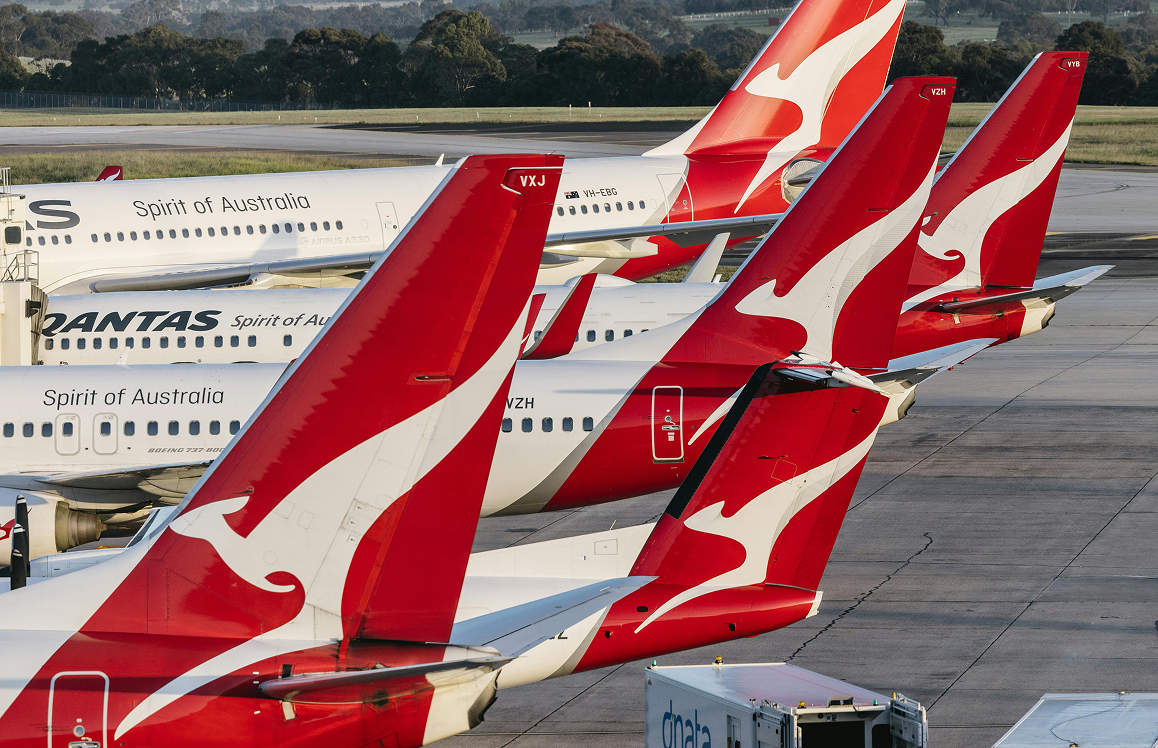
When most people think about shipping belongings from New Zealand to Australia, sea freight is the default. And for full household moves, it usually is the right answer. But air freight has a specific and practical role in the Trans-Tasman relocation process, and knowing when to use it can save you time, reduce stress, and in some cases even reduce your overall costs.
This guide explains how air freight from New Zealand to Australia works, what it typically costs, how it compares to sea freight, and the situations where it makes better sense than waiting for a container to arrive.
Quick Links
- How Does Air Freight from NZ to Australia Work?
- How Long Does Air Freight from NZ to Australia Take?
- What Does Air Freight from NZ to Australia Cost?
- Sea Freight vs Air Freight: A Direct Comparison
- When Does Air Freight Make Sense?
- Air Freight and Sea Freight Combined: The Split Shipment
- What You Cannot Send by Air Freight
- Frequently Asked Questions
How Does Air Freight from NZ to Australia Work?
Air freight involves shipping your goods via commercial cargo on regular passenger or dedicated freight flights between New Zealand and Australia. Unlike putting bags in the hold of a plane yourself, air freight cargo goes through a formal booking, packaging, labelling, and manifesting process before it reaches the aircraft.
Ausmove’s offices are located directly adjacent to Auckland Airport, which speeds up the process at the New Zealand end considerably. Once your shipment is packed and collected, it can be manifested, lodged, and on a flight within 24 to 48 hours in most cases.
On arrival in Australia, air freight shipments go through the same customs and biosecurity processes as sea freight. This is an important point many people miss. Australian Border Force and the Department of Agriculture apply the same biosecurity rules regardless of how your goods arrived. Ausmove coordinates clearance on your behalf through its Australian service partners, and once your shipment is released it is delivered directly to your Australian address.
How Long Does Air Freight from NZ to Australia Take?
Door to door, an air freight shipment from New Zealand to Australia typically takes one to two weeks. That includes pickup in New Zealand, flight time, Australian customs and biosecurity clearance, and final delivery to your address.
In comparison, sea freight from New Zealand to Australia takes five to 10 weeks door to door, depending on the destination port, the shipping service chosen, and whether you are using groupage or a sole-use container.
For east coast destinations such as Sydney, Melbourne, and Brisbane, air freight transit time sits towards the shorter end of the one-to-two-week range. Perth and regional destinations may add two to four days depending on onward domestic freight connections.
One thing worth noting: the one to two week window includes clearance time, which can occasionally extend if Australian biosecurity flags an item for inspection. Sending well-packed, clearly declared, clean goods reduces this risk significantly.
What Does Air Freight from NZ to Australia Cost?
Air freight is charged by weight and volume rather than by container space. The industry uses a calculation called volumetric weight, which takes the physical dimensions of your shipment and converts them to a chargeable weight. Whichever is greater, actual weight or volumetric weight, is what you pay for.
This is why air freight is significantly more expensive than sea freight on a per-kilogram basis and why it is rarely the right choice for a full household move. Large, light items like furniture, mattresses, and flat-pack boxes take up a lot of volumetric space and become very expensive to air freight.
As a rough guide for 2026:
- A single large box of essentials (around 20 to 30kg, clothes, personal items, documents) may cost NZD $300 to $700 depending on dimensions and destination.
- A curated shipment of two to five boxes totalling 50 to 100kg may cost NZD $800 to $2,500.
- Larger volumes, such as small office equipment, tools, or a few pieces of furniture, scale upward quickly and at some point sea freight becomes cheaper even factoring in the wait.
The decision of whether to use air freight should always be weighed against the cost of what it replaces. For most Kiwis, that means temporary accommodation in Australia while waiting for sea freight to arrive. At NZD $150 to $400 per night for a family in a furnished apartment or hotel, even two weeks of savings from moving in sooner can offset a substantial air freight cost.
Sea Freight vs Air Freight: A Direct Comparison
| Air Freight | Sea Freight (Groupage) | Sea Freight (Sole-Use) | |
|---|---|---|---|
| Transit time | 1 to 2 weeks | 4 to 6 weeks | 3 to 5 weeks |
| Cost (small load) | NZD $500 to $2,500 | NZD $1,500+ | NZD $5,000+ |
| Best for | Essentials, urgent items | Budget moves, part loads | Full household moves |
| Volume limit | Low | Medium | High |
| Biosecurity checks | Yes | Yes | Yes |
| Door to door | Yes | Yes | Yes |
When Does Air Freight Make Sense?
You Have Young Children and Need Essentials on Arrival
Families with young children often find that waiting three to six weeks for sea freight to arrive means several weeks in furnished temporary accommodation with limited personal belongings. The familiar environment matters enormously for kids going through a big life change. Shipping a box of essentials by air including clothing, toys, school supplies, comfort items, and basic kitchen gear can make the transition significantly smoother and less disruptive. Many parents tell us that having a few familiar things in the new home from week one made an outsized difference to how quickly the kids settled.
You Need Tools of Trade or Work Equipment Immediately
Tradespeople, contractors, IT professionals, and anyone who bills by the hour or needs specific equipment to start earning cannot afford to wait five weeks for their tools to arrive by sea. Air freighting a targeted selection of work essentials while the rest of the shipment follows by container is a well-established approach for this group. The cost of air freight is frequently recovered within the first week of being able to work normally.
You Are Moving for a Short-Term Contract or Assignment
If you are relocating to Australia for a fixed-term work assignment of six to twelve months, or you are testing the waters before committing to a permanent move, shipping a full sea freight container may not make financial or practical sense. Air freight allows you to bring a carefully chosen selection of belongings without the full cost and complexity of a container move. When the assignment ends, getting your belongings back is also simpler.
You Want to Reduce Time in Temporary Accommodation
Temporary accommodation in Australian cities is expensive and, for families, genuinely disruptive. Hotel or serviced apartment rates in Sydney, Melbourne, or Brisbane for a family regularly exceed NZD $200 to $400 per night. Over two weeks that is NZD $2,800 to $5,600 in accommodation alone, not counting food and transport. If air freight allows you to move into permanent accommodation one to two weeks earlier than waiting for sea freight, the maths often work strongly in favour of the air freight cost.
You Have High-Value or Urgent Items
Artworks, jewellery, rare collectibles, critical legal or financial documents, prescription medications, or items you genuinely cannot be without for a month are strong candidates for air freight. Transit times are short, shipments are tracked throughout, and the risk of being separated from critical items for weeks is eliminated. For items of significant financial value, the cost of air freight insurance relative to the value of the goods is also typically lower than the sea freight equivalent, simply because the exposure window is shorter.
You Are Moving in Winter and Want Clothes for Both Climates
New Zealand and Australian seasons align, but climates can vary significantly depending on where you are moving. If you are moving from Auckland to Brisbane in July, you may want summer clothing waiting for you on arrival while winter gear follows by sea. Air freighting a climate-appropriate wardrobe for the first few weeks is a practical solution many customers do not think of until they are already sweating in a merino jumper at Brisbane Airport.
Air Freight and Sea Freight Combined: The Split Shipment
The most common approach for Ausmove customers who use air freight is a split shipment. A small, carefully selected air freight consignment goes ahead with the essentials you need immediately, while the main household goods and furniture travel by sea freight container.
This is not two separate, complicated moves. Ausmove coordinates both from the same booking, which means the sea freight container can be loaded and departing New Zealand before or shortly after you fly, minimising the total time between your departure and receiving everything you own. The practical result is that you arrive in Australia with what you need to function, and the rest follows on a timeline you can plan around.
For families moving into a new home, a common split shipment might look like this:
- Air freight: bedding for everyone, a week of clothes each, school bags and supplies, kids’ comfort items, basic kitchen equipment, laptops and phones, and important documents.
- Sea freight container: all furniture, remaining clothing and shoes, appliances, books, garage and garden items and everything else.
Getting the air freight list right matters. Too much and the cost blows out. Too little and you are uncomfortable for weeks. Ausmove can help you think through what belongs in each shipment when you request a quote.</sstrong”>
What You Cannot Send by Air Freight
Australian biosecurity rules apply equally to air freight and sea freight. Items requiring declaration or cleaning for sea freight apply identically to air.
Additionally, aviation dangerous goods regulations restrict or prohibit a number of items that might seem ordinary:
- Aerosols above a certain volume, including deodorant and hairspray, are restricted on passenger aircraft cargo
- Lithium batteries in devices above certain watt-hour thresholds require special documentation or are prohibited
- Flammable liquids including paints, solvents, and some cleaning products
- Compressed gases
- Firearms and ammunition require specific licensing and permits for both departure and arrival
The practical upshot for most customers is that everyday personal items are fine, but check anything that comes in a pressurised container, contains a battery, or is flammable. Ausmove will advise you on restrictions specific to your shipment at quote stage.
Frequently Asked Questions About Air Freight from NZ to Australia
Can I send a full household by air freight?
Technically, yes, but in practice, it is prohibitively expensive for anything beyond a small studio apartment’s worth of belongings. Sea freight is almost always the right choice for full household moves.
Do I need to pack air freight differently to sea freight?
Yes. Air freight consignments need to be robustly packed because they are handled multiple times across different cargo environments. Ausmove provides guidance on appropriate packaging when you book.
Can I track my air freight shipment?
Yes. Air freight is tracked at each stage of the journey, including departure, arrival, and customs clearance. Ausmove keeps you updated throughout.
Is air freight from NZ to Australia insured?
Transit insurance is available and strongly recommended. Ausmove can arrange cover appropriate to the value of your shipment.
What if my sea freight is delayed? Can I add an air freight shipment later?
Yes. Customers whose sea freight has been delayed for any reason can arrange a supplementary air freight shipment of essentials. Contact Ausmove to discuss the options.